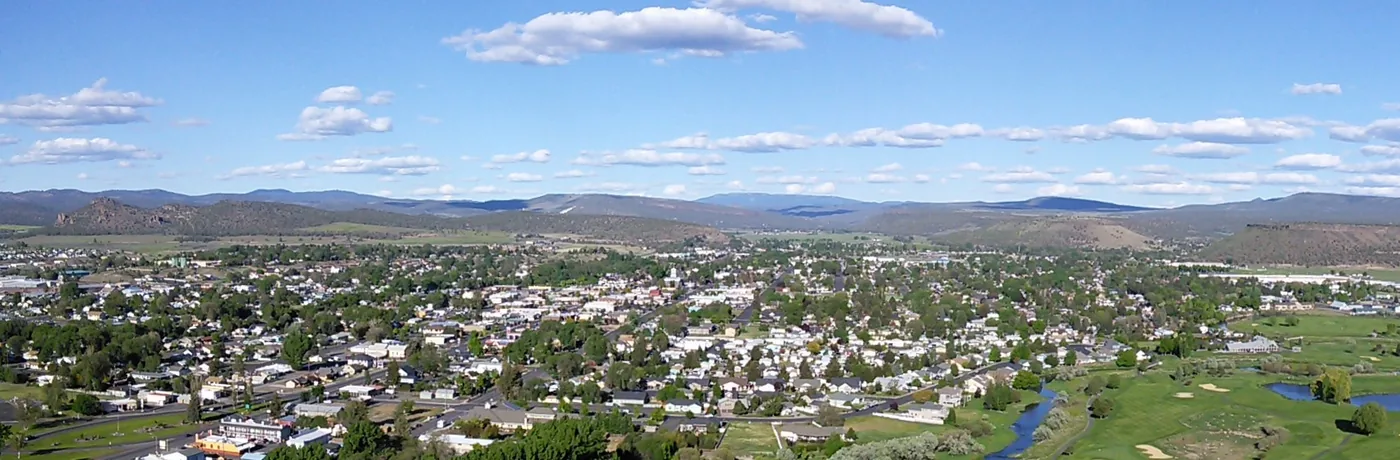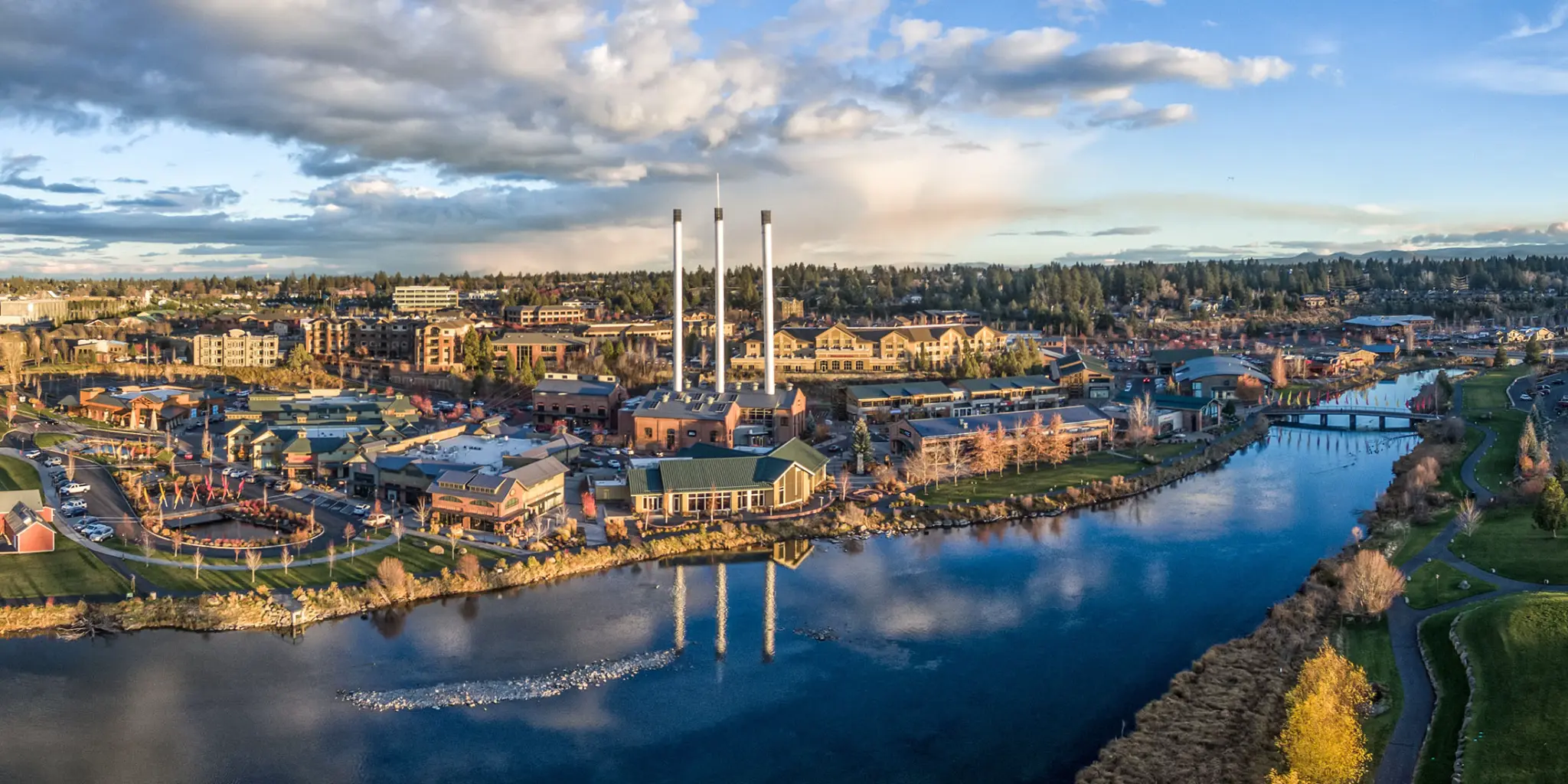


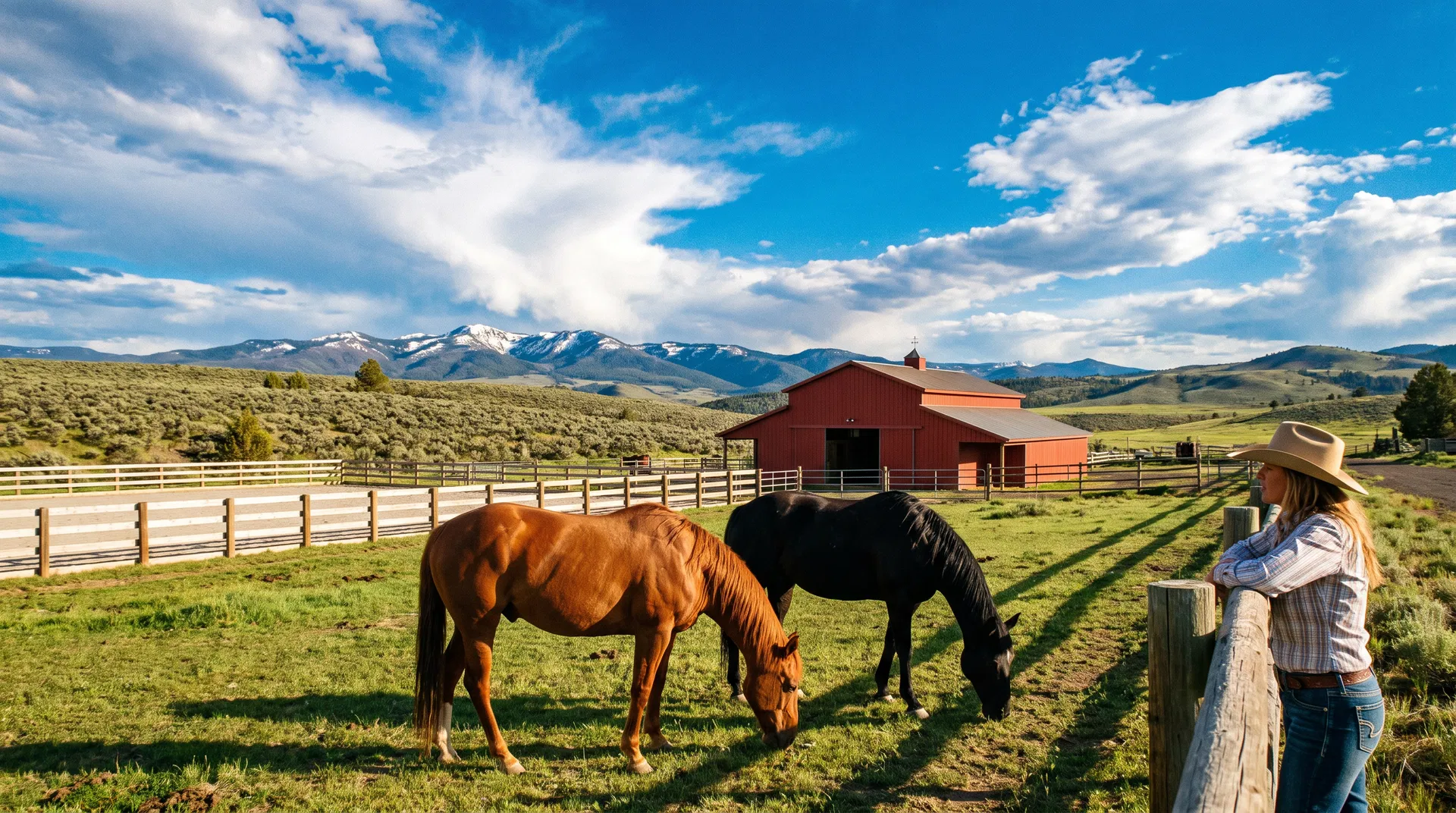

Oregon has approximately 170,000 horses — one of the highest concentrations per capita in the United States — and the high desert country of Central Oregon, Eastern Oregon, and Eastern Washington is home to some of the most horse-dense communities in the Pacific Northwest. From the Ochoco foothills of Crook County to the Wallowa Valley of Union County, from the Yakima Valley to the Palouse, horse properties are woven into the fabric of rural life here.
But here's the problem: most horse property owners are carrying the wrong insurance. They have a standard homeowners policy — or maybe a basic farm policy — and they assume it covers their barn, their arena, their horses, and their liability. It doesn't. Not even close.
This guide breaks down exactly what your homeowners policy excludes, what coverage you actually need, and how Oregon and Washington state law affects your liability exposure as a horse property owner.
The 10 Things Your Homeowners Policy Doesn't Cover on a Horse Property
Standard homeowners policies were designed for residential properties — not working horse properties. The moment you add horses, barns, arenas, and equine activities to your land, you've created a risk profile that your homeowners insurer never priced for and almost certainly excluded in the fine print.
Barn and Outbuilding Coverage Is Capped Far Too Low
Most homeowners policies cap "other structures" — including barns, run-in sheds, hay storage, and arenas — at 10–15% of your dwelling coverage limit. If your home is insured for $350,000, your barn coverage cap is roughly $35,000–$52,500. But a single horse barn in Central Oregon or Eastern Washington costs $50–$120 per square foot to rebuild. A modest 2,400 sq ft barn runs $120,000–$288,000. That gap is your problem, not your insurer's.
Riding Arenas Are Not Covered At All
A quality riding arena with proper drainage, compacted base, and arena footing costs $15,000–$40,000 to construct. Most homeowners policies provide zero coverage for arenas because they are classified as "land improvements" rather than structures. If a wildfire, flood, or severe storm destroys your arena, you're rebuilding out of pocket.
Horses Are Not Insured Property
Your horses are not covered under a standard homeowners policy — not for mortality, not for major medical expenses, not for theft. A recreational horse may be worth $5,000–$15,000. A competition quarter horse, cutting horse, or reining horse can be worth $25,000–$75,000 or more. Without equine mortality and major medical insurance, sudden illness, colic surgery, or a fatal accident means total financial loss.
Equine Liability Is Explicitly Excluded
If a visitor is thrown from a horse on your property, if your horse escapes and causes a vehicle accident on Highway 26, or if a boarder's child is injured during a trail ride — your homeowners liability coverage will not respond. Equine-related injuries are specifically excluded from standard homeowners liability because horses are classified as livestock, not pets.
Boarding, Lessons, and Clinics Void Your Coverage
The moment you accept money for boarding, riding lessons, or hosting a clinic, your property becomes a commercial operation. Standard homeowners policies contain business activity exclusions that void coverage entirely when commercial equine activities occur on your property. Even a single paid lesson can trigger this exclusion.
Tack and Equipment Are Severely Limited
Saddles, bridles, blankets, boots, and other tack can easily represent $5,000–$20,000 in value for a working horse property. Standard homeowners policies either exclude tack entirely or limit it to a small sublimit under personal property coverage. High-end custom saddles and competition equipment are almost never adequately covered.
Horse Trailers Require a Separate Auto Policy
Your horse trailer is not covered under your homeowners policy — it requires a separate commercial or specialty trailer policy. More importantly, the horses inside the trailer during transport are not covered by your auto policy either. Horse transport mortality and injury coverage requires a specific equine transit endorsement.
Care, Custody, and Control Gaps for Boarded Horses
If you board horses owned by others — even informally for a neighbor — you are legally responsible for those animals while they are in your care. If a boarded horse is injured, becomes ill, or dies on your property, you are personally liable for the horse's full value. Care, Custody, and Control (CCC) insurance covers this exposure; your homeowners policy does not.
Workers' Compensation for Barn Help
If you employ barn staff, grooms, or trainers — even part-time or seasonal — Oregon and Washington both require workers' compensation coverage. A barn employee injured while handling horses can result in significant medical bills and lost wage claims. Oregon requires workers' comp for any employer with one or more employees; Washington has similar requirements.
Business Income Loss During Facility Downtime
If a barn fire, flood, or other covered event forces you to close a boarding or training operation, your lost revenue is not covered by a standard homeowners policy. Business income (or farm income) coverage pays your ongoing expenses and lost income while you rebuild — a critical protection for any commercial equine operation.
Is Your Horse Property Properly Covered?
Prineville Insurance has been helping Central Oregon horse property owners find the right coverage since 1935. Let us review your current policy and identify the gaps.
Oregon's Equine Liability Act: Protection With Limits
Oregon's Equine Liability Act (ORS Chapter 30) provides conditional immunity to equine activity sponsors and professionals for injuries sustained by participants during equine activities. This sounds reassuring — but the immunity has critical exceptions that eliminate protection in the most common real-world scenarios.
The immunity does NOT apply if:
- Equipment or tack you provided was faulty and caused the injury
- You failed to make reasonable and prudent efforts to assess the participant's ability to engage in the activity
- There was willful or wanton disregard for the safety of the participant
- The injury was caused by a dangerous latent condition of the land that you knew about or should have known about
In practice, plaintiff attorneys routinely argue that equipment was faulty, that ability wasn't properly assessed, or that a known hazard existed on the property. The Oregon Equine Liability Act reduces your exposure — it does not eliminate it. Equine liability insurance remains essential for any Oregon horse property owner.
⚠️ Important: Oregon's Equine Liability Act does not protect you from liability to non-participants — including spectators, visitors, neighbors, or passersby. If your horse escapes and injures someone on a public road, the Act provides zero protection.
Eastern Washington: RCW 4.24.540 and What It Doesn't Protect
Washington's equine activity liability statute (RCW 4.24.540) provides similar conditional immunity for equine activity sponsors. Eastern Washington — including the Yakima Valley, Kittitas County, Walla Walla, the Palouse, and Spokane County — has a significant horse property concentration, and many owners rely on this statute as their primary liability protection.
Like Oregon, the Washington statute's immunity evaporates when:
- The equine activity sponsor provided faulty equipment or tack
- The sponsor failed to make reasonable efforts to determine the participant's ability
- There was willful or wanton disregard for the participant's safety
- The horse had a known dangerous propensity that was not disclosed
A single serious equine injury — a rider thrown and suffering a spinal injury, for example — can generate medical costs and legal fees exceeding $500,000. Washington courts have consistently held that equine-related incidents fall outside standard homeowners liability coverage, leaving Eastern Washington horse property owners personally responsible for damages.
Prineville Insurance serves horse property owners across Eastern Oregon and can connect Eastern Washington clients with the right equine liability carriers for their specific operation. Contact us to discuss your coverage needs.
The Coverage Every Horse Property Owner Needs
The right insurance program for a horse property combines several coverage types that work together to fill the gaps a homeowners policy leaves open. Here's what a comprehensive equine property insurance program looks like:
| Coverage Type | What It Covers | Who Needs It |
|---|---|---|
| Farm Owner's Policy | Dwelling, barns, arenas, outbuildings at full replacement value | All horse property owners |
| Equine Liability | Bodily injury and property damage from horse-related incidents | All horse property owners |
| Equine Mortality | Death of horse from accident, illness, or natural causes | Horses valued over $5,000 |
| Major Medical | Vet bills for illness or injury — typically $2,500–$15,000/year per horse | Any horse with significant vet cost exposure |
| Care, Custody & Control | Non-owned horses injured or killed while in your care | Boarding, training, and transport operations |
| Tack & Equipment | Saddles, bridles, blankets, and other equine equipment | All horse property owners |
| Workers' Compensation | Injuries to barn staff, grooms, and trainers | Any operation with employees |
| Horse Trailer Coverage | Physical damage to trailer; transit mortality for horses inside | Anyone hauling horses |
| Professional Liability | Negligence claims against instructors and trainers | Riding instructors and trainers |
| Business Income | Lost revenue and ongoing expenses during facility downtime | Commercial boarding and training operations |
Regional Risks: Central Oregon, Eastern Oregon, and Eastern Washington
Horse property insurance in the Pacific Northwest is not one-size-fits-all. The specific risks your property faces depend heavily on where you are located.
Central Oregon
Crook, Jefferson, Deschutes
- •Wildfire exposure — Ochoco and Deschutes National Forests
- •High-desert freeze-thaw cycles damaging arena footing
- •Dust and dry conditions increasing respiratory issues in horses
- •Proximity to popular trail systems increasing visitor liability
- •Growing agritourism and boarding operations near Bend
Eastern Oregon
Harney, Malheur, Baker, Union, Wallowa, Lake
- •Extreme temperature swings (-20°F to 100°F+)
- •Remote locations with limited emergency vet access
- •High wildfire risk in summer months
- •Rodeo and working ranch culture with higher liability exposure
- •Grazing lease operations requiring additional coverage
Eastern Washington
Yakima, Kittitas, Walla Walla, Whitman, Spokane
- •Wildfire risk (WA averages 2,000+ wildfires annually)
- •Yakima Valley irrigation infrastructure near horse properties
- •Palouse region's rolling terrain and trail riding exposure
- •Tri-Cities area's growing suburban horse property market
- •Washington RCW 4.24.540 immunity gaps
Wildfire and Horse Properties: A Special Concern
Wildfire is the single greatest property threat facing horse property owners in Central Oregon, Eastern Oregon, and Eastern Washington. The 2020 Labor Day fires alone destroyed thousands of structures across Oregon, including numerous horse barns and equine facilities. Horse property owners face a compounded wildfire risk: not only can structures burn, but horses may be injured or killed during evacuation, and the cost of emergency boarding during a fire event can be significant.
A comprehensive farm and ranch policy should include:
- Full replacement cost coverage on all barn and arena structures — not ACV (actual cash value)
- Debris removal coverage — clearing a burned barn site can cost $20,000–$50,000 alone
- Emergency livestock removal coverage — costs incurred evacuating horses during a fire event
- Temporary boarding coverage — paying for emergency boarding while your facility is rebuilt
- Equine mortality coverage — protecting the value of horses lost in a fire
Firewise certification and defensible space around your barn can reduce your wildfire insurance premium by 10–25%. Talk to your Prineville Insurance agent about wildfire coverage options and mitigation credits.
Talk to a Farm & Ranch Insurance Specialist
Prineville Insurance has been serving Central Oregon horse property owners since 1935. Our agents understand the specific risks of equine operations in the high desert — from Crook County to Eastern Oregon and beyond.
What Affects Your Horse Property Insurance Premium
Horse property insurance premiums vary significantly based on your specific operation. Understanding what drives your cost helps you make smart coverage decisions and identify opportunities to reduce your premium.
Number and value of horses
More horses and higher-value animals increase mortality and medical premiums
Type of operation
Private use is cheapest; boarding, lessons, and clinics add significant liability exposure
Barn and arena replacement value
Larger, newer structures cost more to insure — but also more to rebuild without coverage
Location and wildfire risk
Properties in high-risk fire zones pay 15–30% more; Firewise certification can offset this
Distance from fire station
Properties within 5 miles of a fire station pay 15–25% less than remote properties
Safety practices and documentation
Documented safety protocols, liability waivers, and facility inspections can reduce premiums
Claims history
Prior equine-related claims significantly affect your premium and insurability
Fencing condition and type
Proper 5-foot fencing with no barbed wire reduces liability exposure and premiums
Frequently Asked Questions
Does homeowners insurance cover horses in Oregon?
No. Standard homeowners policies in Oregon exclude horses and equine-related liability. Your barn, arena, tack, and any liability from horse-related injuries are either excluded entirely or capped at amounts far below actual replacement costs. You need a separate farm owner's policy or equine-specific policy.
What is the Oregon Equine Liability Act?
Oregon's Equine Liability Act (ORS Chapter 30) provides conditional immunity to equine activity sponsors and professionals for injuries to participants. However, the immunity is lost if equipment you provided caused the injury, if you failed to assess the participant's ability, or if there was willful disregard for safety. The Act does not eliminate the need for equine liability insurance.
How much does it cost to insure a horse barn in Central Oregon?
Barn replacement costs in Central Oregon typically run $50–$120 per square foot. A 2,400 sq ft barn can cost $120,000–$288,000 to rebuild. Standard homeowners policies cap outbuilding coverage at 10–15% of your dwelling limit — often $15,000–$30,000 — leaving a massive gap. A dedicated farm policy lets you set barn coverage based on actual replacement value.
Do I need equine insurance if I only have one horse for personal use?
Yes. Even a single personal-use horse creates liability exposure that your homeowners policy won't cover. If your horse injures a neighbor, escapes and causes a vehicle accident, or injures a friend who comes to ride, you are personally liable. Personal horse owner liability insurance is affordable and fills this gap completely.
What is Care, Custody, and Control (CCC) insurance?
Care, Custody, and Control (CCC) insurance protects you if a horse owned by someone else is injured, becomes ill, or dies while in your care — such as during boarding, training, or transport. Without CCC coverage, you are personally responsible for the full value of the horse, which can be $5,000 to $75,000 or more.
Does Prineville Insurance serve Eastern Oregon and Eastern Washington horse property owners?
Yes. Prineville Insurance serves clients across Central Oregon, Eastern Oregon, and can connect Eastern Washington horse property owners with the right equine insurance carriers. Contact our Prineville office at (541) 447-6372 or our Bend office at (541) 238-7775 to discuss your coverage needs.
Related Coverage & Resources
Get a Horse Property Insurance Quote Today
Don't wait until after an incident to find out your homeowners policy doesn't cover your barn, your horses, or your liability. Prineville Insurance has been protecting Central Oregon horse property owners since 1935.