



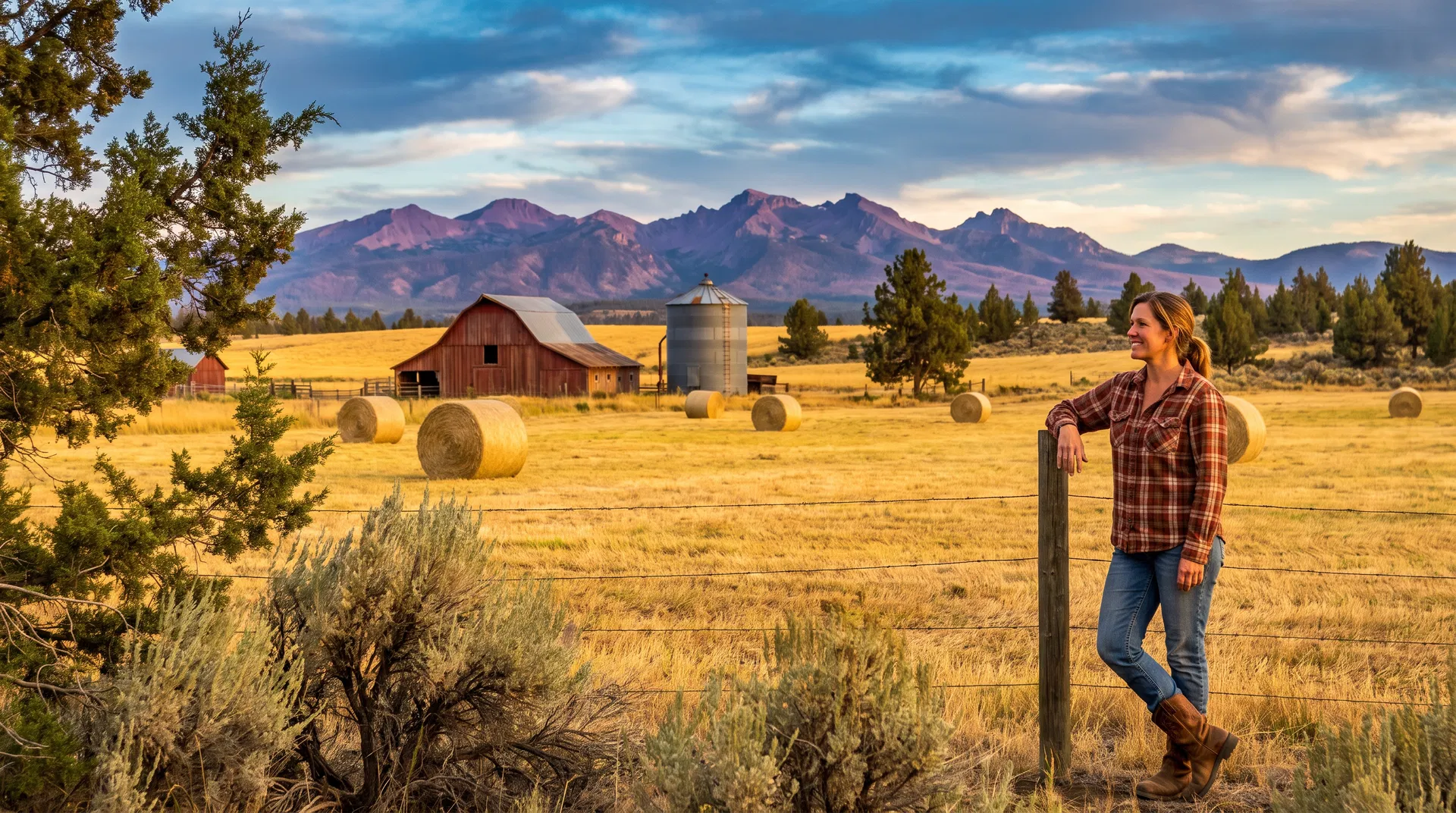

From late July through October, Central Oregon farms and ranches are running at full throttle. Hay is being cut and baled in Crook, Jefferson, and Deschutes counties. Wheat and mint harvests are wrapping up. Cattle are being moved to fall pastures. Grain bins are filling. Seasonal workers are on the payroll. Combines, balers, grain trucks, and swathers are logging more hours in two months than they do the rest of the year combined.
It's also the most financially exposed time of year — and the time when insurance gaps are most likely to cost you. A combine fire during harvest. A seasonal worker injured on a grain auger. A loaded grain truck that clips a car on Highway 26. A hailstorm that flattens a standing wheat crop three days before you planned to cut it. Any one of these events can turn a good harvest into a financial crisis if your farm and ranch insurance isn't properly structured for harvest season.
This checklist is designed specifically for Central Oregon farms and ranches. Work through it before the combines start rolling — and call your agent if anything doesn't look right.
1. Farm Equipment: Is Your Coverage Current?
Farm equipment is the single largest insurance exposure during harvest. A modern combine harvester costs $400,000 to $600,000. A large baler runs $50,000 to $150,000. Grain carts, swathers, tractors, and augers add up fast. If any of this equipment was purchased, upgraded, or traded in the past year, your policy schedule may not reflect current values — which means you could be significantly underinsured at the worst possible time.
Equipment Coverage Checklist
- Update your equipment schedule: Add any new machinery purchased since your last policy renewal. Don't assume your agent knows about it — you need to report it.
- Check insured values against current replacement cost: Equipment values have risen sharply due to supply chain disruptions and parts shortages. A combine insured at 2021 values may be underinsured by 20–30% today.
- Confirm equipment breakdown coverage: Standard farm policies cover fire, theft, and collision — but not mechanical breakdown. A separate equipment breakdown endorsement covers repair or replacement when a combine or baler fails mid-harvest due to mechanical failure.
- Rental reimbursement: If a covered piece of equipment is damaged and out of service during harvest, rental reimbursement coverage pays for a temporary replacement so you don't lose the crop. Confirm this is included.
- Borrowed or rented equipment: If you're renting a combine or borrowing a neighbor's baler, confirm whether your policy covers it — or whether you need a short-term endorsement.
2. Crop Insurance: Deadlines You Cannot Miss
Crop insurance through the USDA's Risk Management Agency (RMA) is the primary protection against yield losses from drought, hail, frost, and other natural disasters. But crop insurance has strict sales closing deadlines — and missing them means going without coverage for the entire crop year.
For most Oregon winter wheat, the sales closing deadline is September 30. For spring crops, deadlines vary by commodity. If you're not already enrolled in crop insurance for the current crop year, contact your farm insurance agent immediately to understand what options remain available.
Crop Coverage Checklist
- Confirm your crop insurance policy is active and in force for the current crop year before harvest begins.
- Review your coverage level: Are you insured at 70%, 75%, or 80% of your APH (Actual Production History)? Higher coverage levels cost more but provide better protection in a bad year.
- Revenue Protection vs. Yield Protection: Revenue Protection (RP) covers both yield loss and price decline. Yield Protection (YP) covers only yield loss. In volatile commodity markets, RP provides more comprehensive protection.
- Notify your agent before destroying or chopping damaged crops: If you have a crop loss, you must notify your crop insurance agent before destroying, chopping, or abandoning any unharvested crop. Failure to do so can void your claim.
- Report damage within 72 hours: Most crop insurance policies require you to report damage within 72 hours of discovery. Don't wait.
- Stored grain coverage: Once crops are harvested and stored in bins, crop insurance typically ends. Confirm you have separate coverage for stored grain against fire, moisture damage, and structural collapse.


