
Specialized work is not generic
septic contractors and septic-service businesses often involve field work, customer property, specialized equipment, and job-specific conditions that can change the questions worth raising.



Coverage planning for Oregon septic contractors and septic-service businesses and field-service operations.
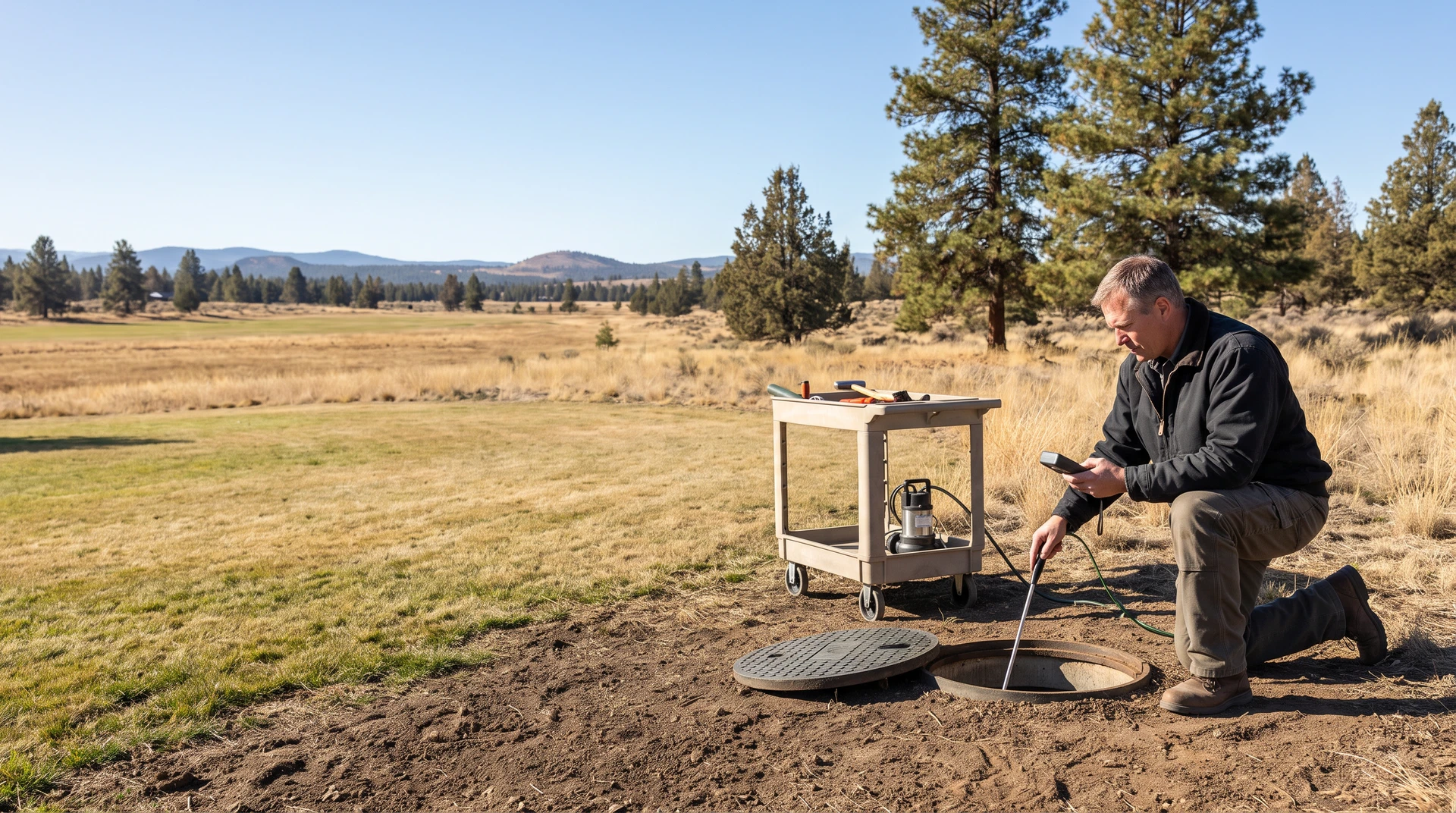
Coverage planning for Oregon septic contractors and septic-service businesses and field-service operations.
Oregon septic contractors and septic-service businesses may work around rural homes, excavation areas, system access points, customer property, equipment staging, and changing ground conditions. A useful insurance discussion begins with the actual services, job sites, equipment, vehicles, employees, subcontractors, contracts, and the risk controls that shape the operation.
Prineville Insurance is an independent agency. We can help eligible septic contractors and septic-service businesses compare available options, but coverage, pricing, eligibility, and claim outcomes depend on carrier underwriting and the policy selected, including applicable limits, exclusions, deductibles, conditions, and endorsements.
A practical review starts with the operation, current controls, and the terms of the selected policy.
septic contractors and septic-service businesses can have third-party injury, property-damage, contractual, and completed-work questions that should be evaluated with the actual operation and the selected policy terms.
Specialty tools, diagnostic equipment, materials, and mobile equipment may warrant a conversation about ownership, transit, storage, valuation, scheduling, deductibles, and exclusions.
Travel among job sites, owned or hired vehicles, employee use, towing, and equipment transport can create separate coverage questions.
Work at customer property, access conditions, project duration, job-site controls, and site access, sanitation work, excavation activity, and customer-property operations can affect the information useful for a coverage review.
Certificates, additional-insured requests, written agreements, vendor requirements, and subcontractor practices should be reviewed before work begins or commitments are made.
A covered loss may affect scheduling, payroll, equipment availability, fixed expenses, and customer commitments differently depending on the operation and policy conditions.
septic contractors and septic-service businesses often involve field work, customer property, specialized equipment, and job-specific conditions that can change the questions worth raising.
New equipment, employees, vehicles, contracts, project types, territories, or services may be worth discussing before renewal.
Current contracts, certificates, asset values, project information, safety practices, and loss records can support a clearer insurance conversation.
An independent agency can help eligible businesses compare available carrier options and understand the actual terms before selecting a policy.
Share the specific services, locations, equipment, vehicles, staff, subcontractors, contracts, and customer-property work involved. That context helps identify useful underwriting questions.
Current declarations pages, revenue and payroll context, equipment values, vehicle schedules, project details, contracts, certificates, loss information, and safety procedures can make the review more useful.
Availability, pricing, and protection depend on underwriting and the policy actually issued. Review limits, exclusions, deductibles, conditions, and endorsements before relying on coverage for a particular job or loss.
Common insurance-planning questions for Oregon businesses and professionals.
Still have questions? Our licensed agents are here to help.
Get A Free QuoteReady to protect what matters most? Contact us today for a no-obligation insurance review. Our experienced agents are here to help you find the right coverage for your needs.


