
Custom work changes from job to job
A decorative gate, commercial railing, architectural stair, art installation, and specialty machine bracket can each involve different materials, values, customers, contracts, and installation conditions.



Coverage planning for Oregon ornamental metal, specialty fabrication, custom welding, architectural metalwork, and made-to-order fabrication businesses.
Coverage planning for Oregon ornamental metal, specialty fabrication, custom welding, architectural metalwork, and made-to-order fabrication businesses.
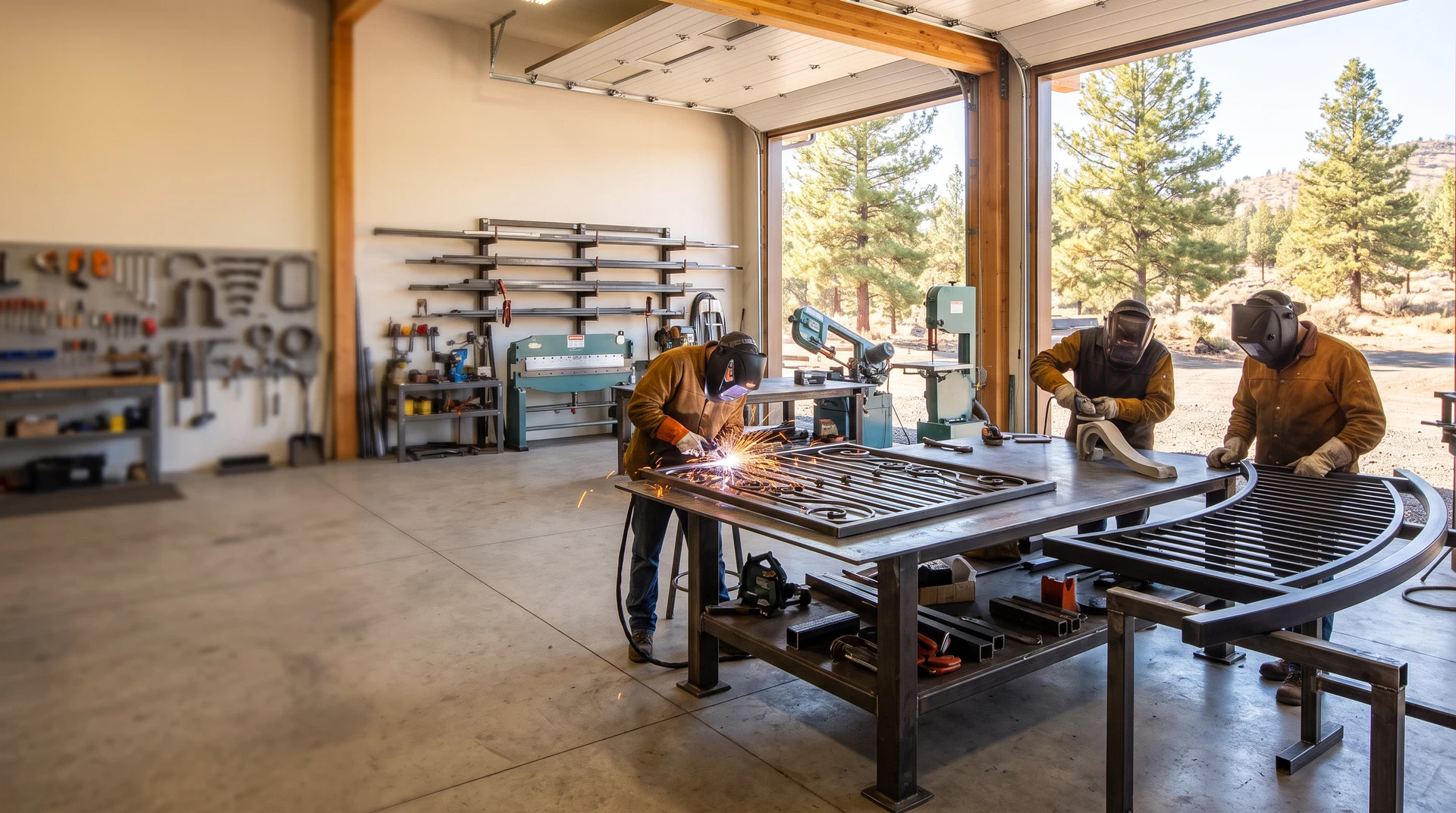
Ornamental and specialty fabrication businesses in Oregon can combine shop manufacturing, custom design, welding, cutting, grinding, finishing, installation, delivery, customer specifications, subcontracted work, and project contracts. A useful insurance review starts with the actual operation: whether the business fabricates gates, railings, stairs, balconies, decorative panels, brackets, structural components, prototypes, custom fixtures, or one-off specialty products.
Prineville Insurance is an independent agency. We can help eligible ornamental metal shops, custom fabrication firms, specialty welders, architectural metalworkers, and made-to-order manufacturers compare available insurance options, but coverage, pricing, eligibility, and claim outcomes depend on carrier underwriting and the policy selected, including applicable classifications, limits, exclusions, deductibles, installation terms, products-completed-operations conditions, and endorsements.
A practical review starts with the operation, current controls, and the terms of the selected policy.
Customer visits, shop operations, installation work, finished railings, gates, brackets, fixtures, and specialty fabricated products can create third-party injury, property-damage, and completed-work questions that should be reviewed under the issued policy language.
Buildings, leased spaces, welding machines, CNC equipment, plasma cutters, presses, grinders, compressors, powder-coating equipment, raw materials, finished inventory, and office contents should be reviewed for valuation, scheduling, and policy conditions.
Tools, raw stock, partially completed components, finished fabricated items, mobile equipment, trailers, and installation materials may move between the shop, vehicles, job sites, subcontractors, and customers.
Pickups, flatbeds, trailers, service trucks, deliveries, site visits, hired vehicles, and non-owned vehicle use can create separate commercial-auto questions beyond the shop policy.
Welding, cutting, grinding, lifting, heat, sparks, forklifts, ladders, installation sites, PPE, training, ventilation, and material-handling controls can shape workers' compensation and safety conversations.
Custom fabrication may involve drawings, measurements, client specifications, engineering input, fitment, tolerances, and installation details. Professional-liability or contractor E&O questions should be discussed when advice, design, or specification decisions are part of the service.
General contractors, property owners, architects, municipalities, landlords, and commercial customers may request additional insured status, waivers, primary wording, higher limits, or project-specific certificates.
Paints, coatings, solvents, welding gases, dust, sparks, hot work, waste handling, and fire-prevention procedures can affect underwriting and may require a separate review depending on the operation.
A decorative gate, commercial railing, architectural stair, art installation, and specialty machine bracket can each involve different materials, values, customers, contracts, and installation conditions.
Many fabricators are both manufacturers and installers. Insurance planning should consider where the work is performed, who installs it, how products move, and what contract obligations apply.
Metal stock, finished pieces, mobile tools, welding equipment, CNC systems, trailers, and customer property can create valuation and location questions that are easy to miss.
Carrier appetite for welding, metal fabrication, ornamental iron, custom manufacturing, and installation work can vary. An independent agency can help eligible businesses compare available options.
Share the type of fabrication work performed, materials used, whether the business designs or follows drawings, whether employees install finished products, job-site work performed, mobile equipment used, subcontractor involvement, and any hot-work or coating processes.
Useful information includes current policies, revenue by operation, payroll and employee count, equipment values, vehicle schedules, building or lease details, products fabricated, installation percentage, customer contracts, certificate requirements, safety controls, fire-prevention procedures, and loss history.
Availability, pricing, and protection depend on underwriting and the policy actually issued. Review classifications, product and completed-operations terms, installation exclusions, property limits, inland marine conditions, pollution exclusions, design-related exclusions, deductibles, and endorsements.
Common insurance-planning questions for Oregon businesses and professionals.
Still have questions? Our licensed agents are here to help.
Get A Free QuoteReady to protect what matters most? Contact us today for a no-obligation insurance review. Our experienced agents are here to help you find the right coverage for your needs.


