


Off-Grid Home Insurance Oregon
A Practical Insurance Review for Solar, Well, Remote, and Alternative-Construction Homes
Off-Grid Home Insurance Oregon
A Practical Insurance Review for Solar, Well, Remote, and Alternative-Construction Homes
Off-Grid Homes Need a Policy Review That Reflects the Systems on Site
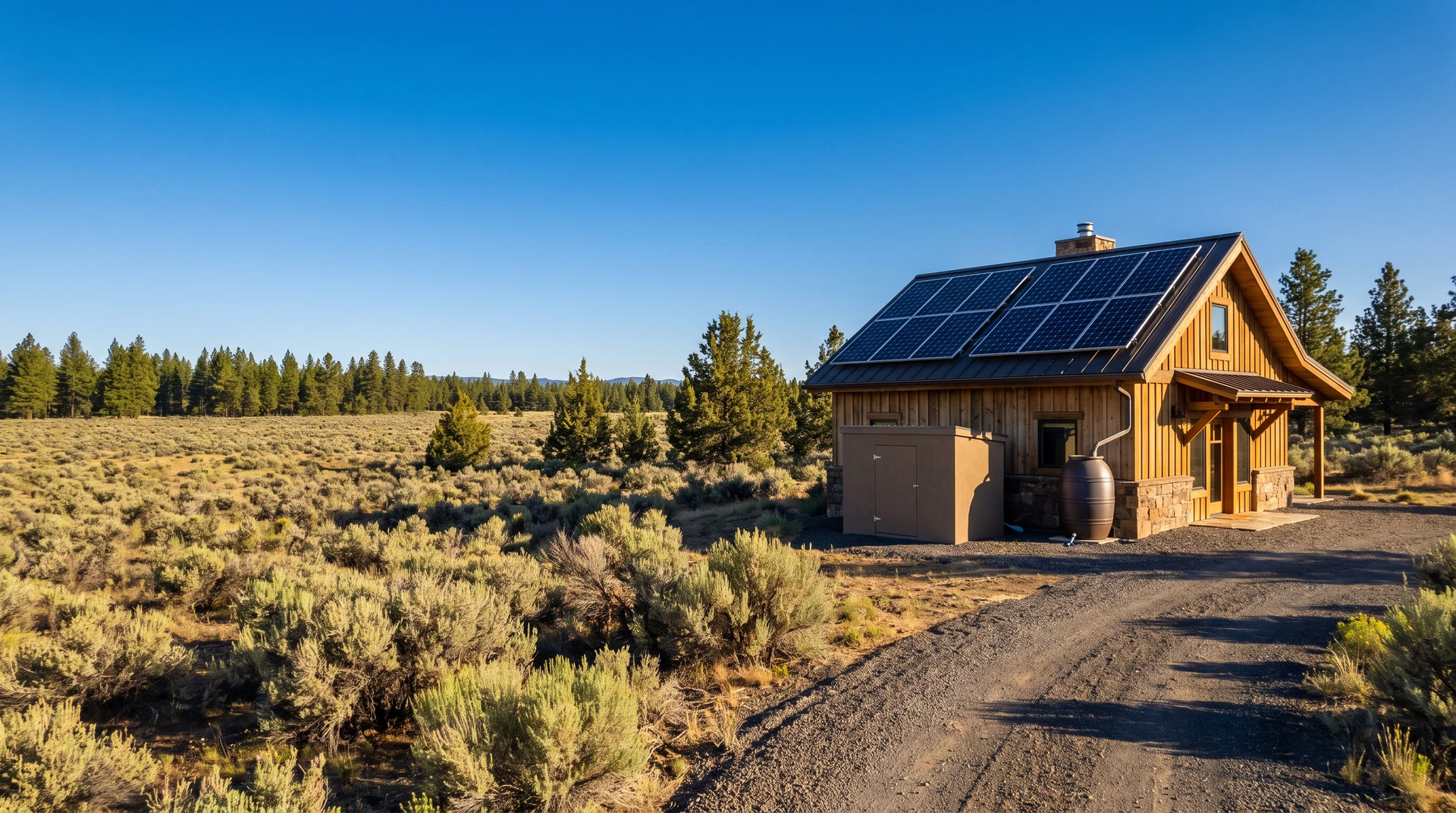
An off-grid or partially self-sufficient Oregon home can include solar arrays, batteries, generators, wells, cisterns, septic systems, alternative construction, detached structures, rural access, or seasonal occupancy. Those details can affect the information requested for a proposal, the policy form, valuation, deductibles, endorsements, conditions, and any inspection or underwriting review. It is important to describe the property’s actual systems and use rather than assuming a standard home policy addresses them automatically.
Prineville Insurance helps Oregon homeowners review off-grid property information on a like-for-like basis. We can compare dwelling limits, solar and power-system questions, water and septic equipment, outbuildings, liability limits, exclusions, deductibles, wildfire considerations, and occupancy terms. The available protection depends on the individual property and policy, so a complete system inventory and current documentation make the conversation more useful.
Why Choose Prineville Insurance?
- Independent agency — we work for you, not the insurance company
- 50+ top-rated insurance carriers to compare
- Licensed Oregon agents with local expertise
- Serving Central Oregon since 1935
- Competitive rates through market comparison
- Personalized service and claims advocacy
What to Review for an Off-Grid Home Insurance Proposal
Each system, structure, limit, endorsement, deductible, and exclusion should be reviewed under the terms of the specific policy.
Solar, Battery, and Power Equipment
Identify panels, inverters, batteries, wind equipment, generators, transfer switches, and mounting systems. Ask how they are treated under dwelling, other-structure, equipment-breakdown, or scheduled-property terms.
Well, Water, and Septic Systems
Private water and septic equipment can require a careful review. Confirm what is attached to the dwelling, what is underground, and whether equipment failure, service-line, water-backup, contamination, or other losses are addressed or excluded.
Dwelling Limit and Construction
Alternative construction, log or timber elements, custom systems, remote delivery needs, and unusual materials can affect the dwelling information and rebuilding-basis discussion.
Outbuildings and Personal Property
Workshops, sheds, barns, greenhouses, storage buildings, tools, supplies, and equipment can have their own limits and conditions. Create an inventory before comparing proposals.
Liability and Premises Use
Consider roads, gates, animals, visitors, recreational use, agricultural activity, detached structures, and any business or rental activity. Liability limits and exclusions should be compared with the property’s actual use.
Location, Access, and Wildfire Questions
Rural access, emergency response distance, road maintenance, vegetation, wildfire conditions, vacancy, seasonal use, and inspection requirements can all be relevant to a policy review.
How to Prepare for an Off-Grid Home Insurance Review
Create a Complete System Inventory
List the power, water, septic, heating, backup, safety, and communications systems; note each system’s age, installer, maintenance record, ownership, and location. Include photos, invoices, manuals, permits, and inspection records when available.
Describe Construction and Improvements
Gather square footage, building materials, roof details, remodel information, detached structures, road access, and any construction that differs from a conventional residence. Accurate information supports a more meaningful dwelling-limit and policy review.
Compare Policy Terms Alongside the Premium
Review limits, deductibles, valuation, exclusions, endorsements, power and water-system treatment, other-structure limits, and liability terms. A lower premium does not establish that two policies respond the same way.
Discuss Rural Access and Wildfire Context
Be ready to explain access roads, gates, address signage, defensible-space or vegetation work, water sources, nearby response resources, and any inspections or mitigation records. These details should be reviewed against the individual policy and property.
Update the Review When Systems or Use Change
A new battery array, solar expansion, generator, well work, construction project, outbuilding, occupancy change, rental use, claim, or property purchase can be a reason to revisit the insurance conversation.
Off-Grid Home Insurance Oregon — Frequently Asked Questions
Common questions about reviewing insurance for Oregon off-grid and alternative-system homes
Still have questions? Our licensed agents are here to help.
Get A Free Quote