Precision work can carry expensive consequences
A small measurement, tolerance, material, or documentation problem can matter when a part is used inside another product, building system, machine, or production line.



Coverage planning for Oregon sheet-metal, screw-machine, CNC machining, precision parts, and contract metal manufacturing businesses.
Coverage planning for Oregon sheet-metal, screw-machine, CNC machining, precision parts, and contract metal manufacturing businesses.
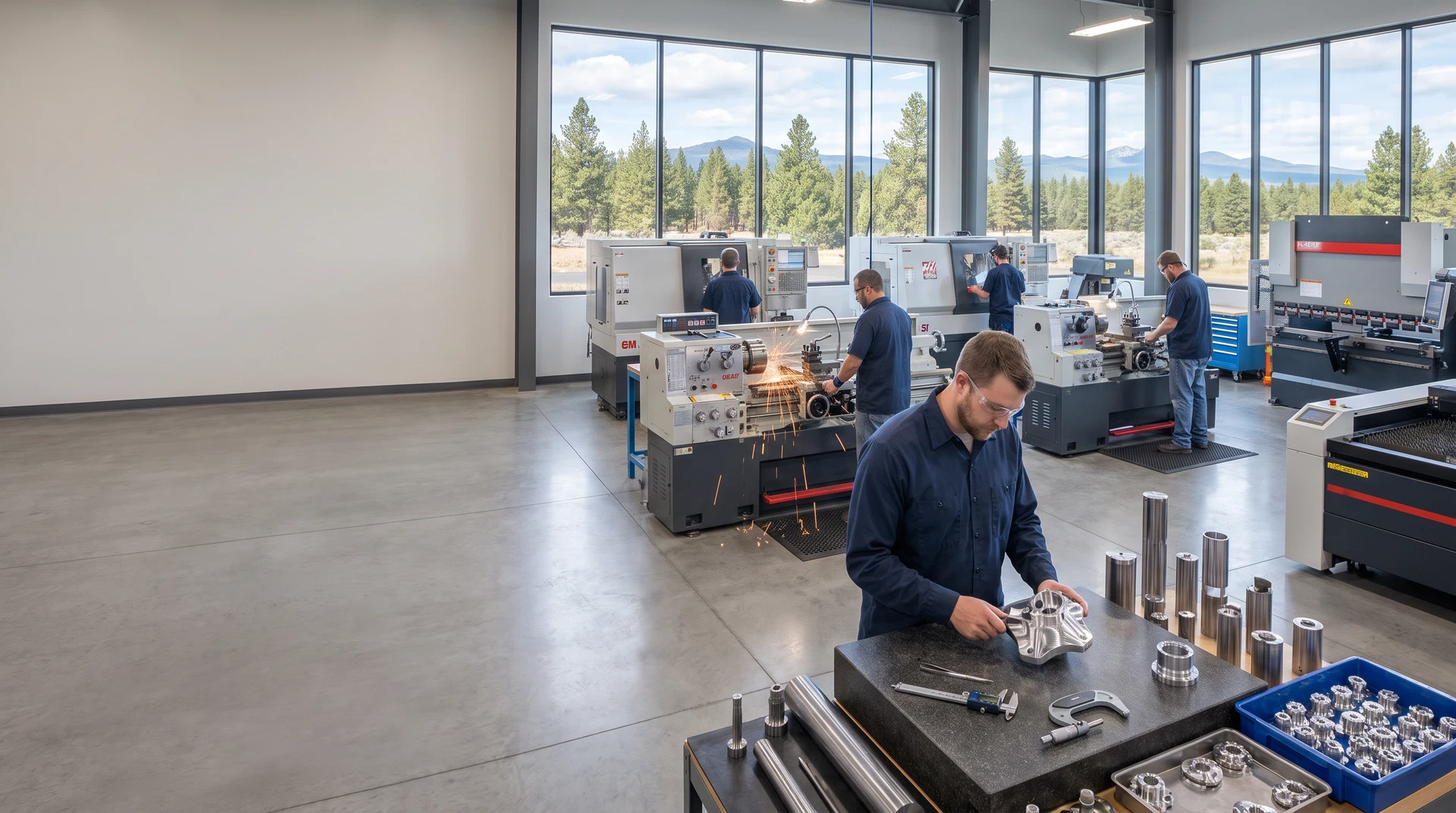
Sheet-metal and screw-machine manufacturing businesses in Oregon can combine raw metal inventory, CNC lathes, screw machines, presses, brakes, tooling, fixtures, prototypes, production runs, customer specifications, quality-control documentation, delivery vehicles, and contract requirements. A useful insurance review starts with what the shop actually makes, who owns the materials, where parts are stored or shipped, whether the work is custom or production-based, and whether the business provides design, engineering, or installation support.
Prineville Insurance is an independent agency. We can help eligible sheet-metal fabricators, screw-machine shops, CNC machine shops, precision parts manufacturers, and contract metal manufacturers compare available insurance options, but coverage, pricing, eligibility, and claim outcomes depend on carrier underwriting and the policy selected, including classifications, limits, exclusions, deductibles, valuation terms, products-completed-operations provisions, and endorsements.
A practical review starts with the operation, current controls, and the terms of the selected policy.
Customer visits, vendor deliveries, finished parts, component failure allegations, property-damage claims, and completed products can create liability questions that should be reviewed under the actual policy language.
CNC screw machines, lathes, press brakes, shears, tooling, dies, fixtures, compressors, inspection equipment, computers, stock, work-in-process, and finished inventory should be reviewed for valuation, scheduling, location, and policy conditions.
A critical machine failure, electrical event, compressor issue, control-system problem, or utility interruption can affect delivery commitments, payroll, customer contracts, and production schedules.
Customer-owned materials, prototypes, tooling, finished components, raw stock, and equipment may move among suppliers, job shops, finishing vendors, customer sites, and delivery vehicles.
Owned trucks, pickups, trailers, hired vehicles, non-owned employee use, customer deliveries, supplier pickups, and emergency part runs can create commercial-auto questions beyond the shop policy.
Machining, sheet-metal cutting, bending, lifting, coolant, noise, sharp edges, forklifts, guards, PPE, lockout procedures, and repetitive production work can shape workers' compensation and safety-control conversations.
Tolerance issues, measurement errors, customer drawings, production specifications, failed components, rejected batches, and quality documentation can raise professional-liability, product-recall, or contract-specific questions depending on the work performed.
Coolants, oils, metal dust, welding, coatings, waste handling, hot work, fire prevention, housekeeping, and ventilation controls can affect underwriting and may require separate review depending on the operation.
A small measurement, tolerance, material, or documentation problem can matter when a part is used inside another product, building system, machine, or production line.
Machine tools, screw machines, CNC equipment, dies, fixtures, and specialty inspection equipment can be expensive and may need scheduled values, replacement-cost review, or equipment-breakdown discussion.
Manufacturers may face purchase-order terms, vendor agreements, indemnity wording, additional-insured requests, quality requirements, delivery deadlines, and insurance limits that should be reviewed before signing.
Carrier appetite for sheet-metal, screw-machine, CNC, and precision-parts manufacturing can vary. An independent agency can help eligible businesses compare available options and understand the issued policy terms.
Share whether the business performs sheet-metal fabrication, screw-machine production, CNC machining, custom parts, production runs, prototype work, assembly, finishing, delivery, installation support, or customer-owned material handling.
Useful starting details include current policies, revenue by operation, payroll and employee count, equipment values, raw stock and inventory values, customer contracts, purchase orders, vehicle schedules, certificates, quality-control procedures, safety programs, and loss history.
Availability, pricing, and protection depend on underwriting and the policy actually issued. Review manufacturing classifications, products-completed-operations terms, property limits, equipment-breakdown terms, goods-in-transit conditions, customer-property exclusions, deductibles, and endorsements.
Common insurance-planning questions for Oregon businesses and professionals.
Still have questions? Our licensed agents are here to help.
Get A Free QuoteReady to protect what matters most? Contact us today for a no-obligation insurance review. Our experienced agents are here to help you find the right coverage for your needs.