
Every project changes
Property condition, project stage, vacancy, construction scope, and ownership structure can change the questions worth raising at renewal or before a new project begins.



Coverage planning for Oregon house flippers, remodelers, and renovation projects.
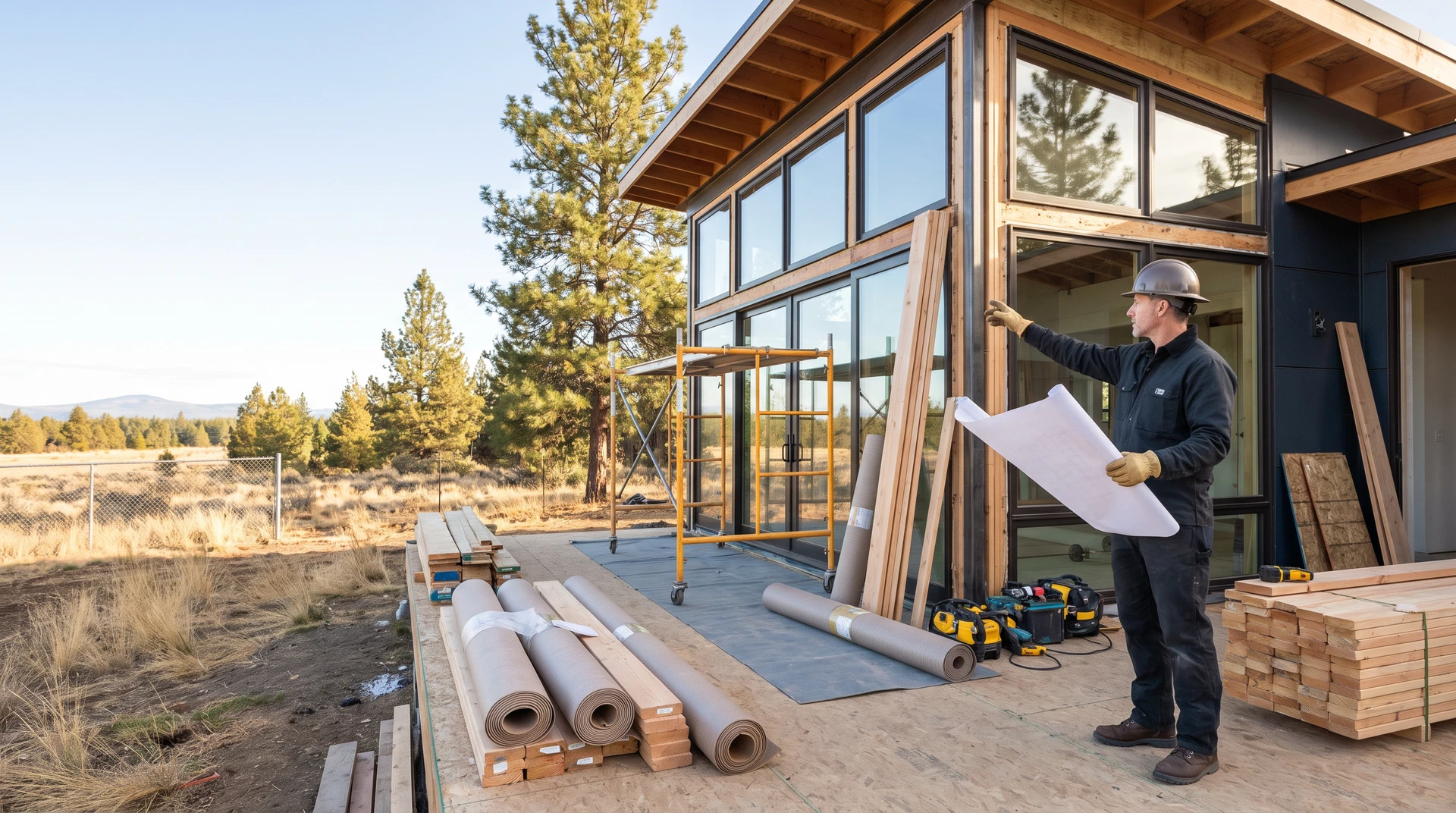
Coverage planning for Oregon house flippers, remodelers, and renovation projects.
House flippers and renovation businesses in Oregon may manage projects with changing job sites, vacant or partially renovated homes, subcontractor agreements, tools, materials, and resale timelines. A useful insurance discussion starts with the actual work, property ownership, project values, and contractual requirements.
Prineville Insurance is an independent agency. We can help eligible house-flipping and renovation operations compare available options, but coverage, pricing, eligibility, and claim outcomes depend on carrier underwriting and the issued policy, including terms, limits, exclusions, deductibles, and endorsements.
A practical review starts with the operation, current controls, and the terms of the selected policy.
A review can examine whether a project involves owned, leased, vacant, or partially renovated property and how values, renovation stages, and policy conditions may affect the available options.
Visitors, vendors, neighbors, and job-site activity can create liability questions that should be evaluated with the actual operations and selected policy language.
Portable tools, building materials, staging items, and equipment may require a conversation about scheduling, storage, transit, deductibles, and valuation methods.
Written contracts, certificates, additional-insured requests, and subcontractor insurance can affect the risk discussion; requests should be reviewed before commitments are made.
Owned, hired, and non-owned vehicles used for site visits, deliveries, or material pickup can create separate coverage questions.
A loss at a project property can affect financing, resale timing, payroll, and fixed expenses differently depending on the actual business model and policy terms.
Property condition, project stage, vacancy, construction scope, and ownership structure can change the questions worth raising at renewal or before a new project begins.
Lenders, sellers, partners, general contractors, and subcontractors may ask for specific documentation or limits; insurance should be considered alongside those written obligations.
Materials, improvements, equipment, and labor exposures can change rapidly during a renovation and may warrant updated information.
An independent agency can help eligible businesses compare available carrier options and understand practical questions before selecting coverage.
Share the types of homes, renovation scopes, property ownership, project durations, contractors, and values involved. That context helps identify relevant questions before a carrier review.
Bring purchase or ownership details, construction schedules, current insurance documents, contractor certificates, values, vehicle use, loss history, and financing or contract requirements.
Availability, pricing, and protection depend on underwriting and the policy actually issued. Review limits, exclusions, deductibles, and endorsements before relying on a policy for a particular project.
Common insurance-planning questions for Oregon businesses and professionals.
Still have questions? Our licensed agents are here to help.
Get A Free QuoteReady to protect what matters most? Contact us today for a no-obligation insurance review. Our experienced agents are here to help you find the right coverage for your needs.


