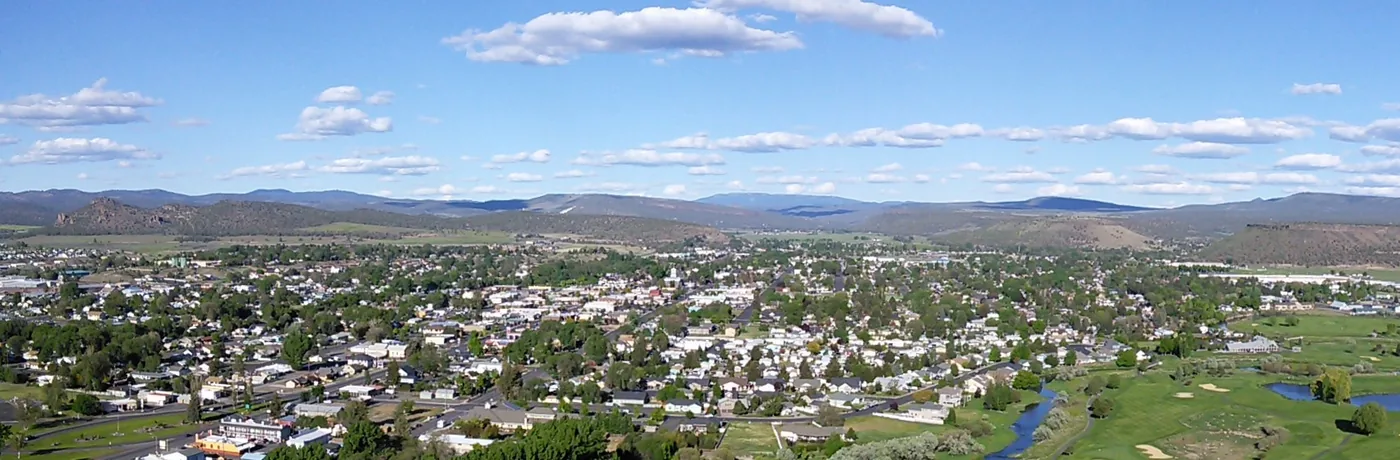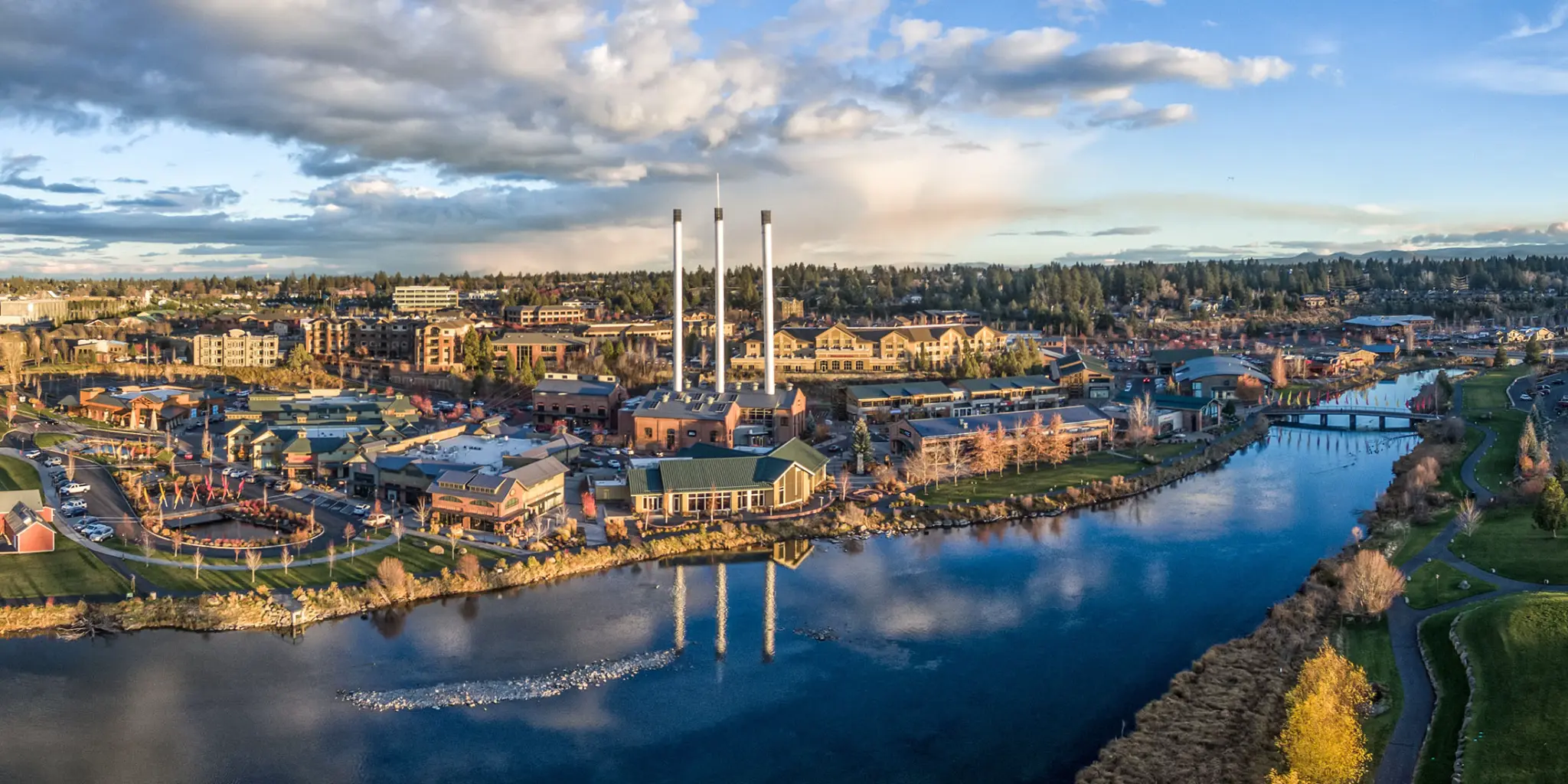


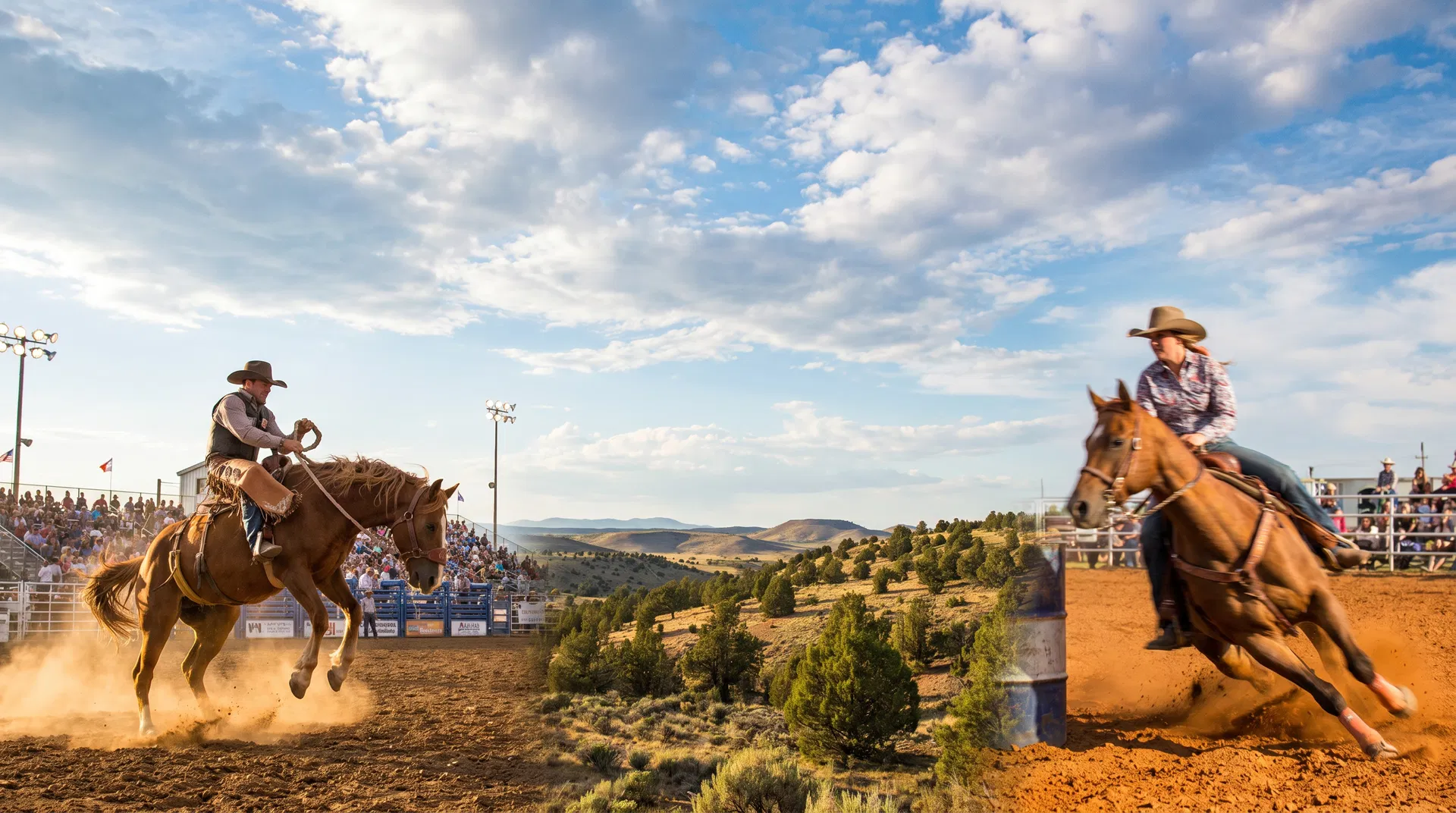
Every June, Prineville transforms. The cattle drive rolls down Main Street, the grandstands fill up, and the arena lights come on at the Crook County Fairgrounds. The Crooked River Roundup — now in its 81st year and one of the most beloved PRCA rodeos in the Pacific Northwest — is more than an event. It's a statement about who Crook County is. This is the Cowboy Capital of Oregon, and the horse and cattle community isn't a niche here. It's the backbone.
If you rope, ride roughstock, haul horses to jackpots, or run cattle on a Central Oregon ranch, your insurance needs are nothing like your neighbor's homeowners policy. You need coverage built for the western lifestyle — coverage that understands the difference between a barrel horse and a pasture pet, between a livestock trailer and a boat trailer, between hosting a team roping and hosting a backyard barbecue. At Prineville Insurance, we've been serving the horse and cattle community in Central Oregon since 1935. We know this world because we live in it too.
Eight Coverages Every Western Lifestyle Oregonian Should Know
Equine Mortality & Theft
Covers the insured value of your horse in the event of death from accident, illness, injury, humane euthanasia, or theft. The foundation of any horse owner's insurance program.
Major Medical Insurance
Covers diagnostics, surgery, hospitalization, and treatment for illness or injury. Colic surgery alone can exceed $10,000 — major medical coverage pays the vet bills so you can focus on your horse.
Equine Liability
Covers bodily injury and property damage caused by your horse to others. Essential for any horse owner — even the most well-trained horse can cause serious injury. Often written as part of a farm and ranch policy.
Loss of Use Coverage
Pays a benefit — typically 50–60% of insured value — if your horse becomes permanently unable to perform its intended use (barrel racing, roping, ranch work, breeding) due to accident or disease.
Livestock Mortality
Covers cattle, horses, and other livestock against death from accident, disease, or natural causes. Critical for ranchers with registered bulls, breeding stock, or high-value working animals.
Horse Trailer Insurance
Covers your trailer for collision, comprehensive, and livestock in transit. Your truck's auto policy typically does not extend full coverage to your trailer — especially for the horses inside it.
Event Liability Coverage
Covers bodily injury and property damage claims arising from rodeos, ropings, jackpots, barrel races, and other equine events you host or organize on your property.
Farm & Ranch Policy
A comprehensive farm and ranch policy bundles property, liability, livestock, and equipment coverage into one program — the most efficient way to insure a working ranch or equine operation in Central Oregon.
Is Your Horse, Livestock, and Trailer Properly Covered?
Prineville Insurance has served Central Oregon's horse and cattle community since 1935. We work with multiple carriers to find the right equine, livestock, and farm coverage for your operation — at the right price.
1. Equine Mortality: Life Insurance for Your Horse
Mortality insurance is the foundation of any equine insurance program. It is essentially life insurance for your horse — it reimburses you for the insured value of your horse in the event of death from accident, illness, injury, or humane euthanasia made necessary by injury or disease. Most policies also cover theft.
For the rodeo and roping community, this coverage is not optional. A well-trained tie-down roping horse can be worth $30,000 to $100,000 or more. A top barrel horse can represent years of training and competition earnings. A registered quarter horse stud with a proven record can be worth far more. Losing that animal without insurance coverage is a financial catastrophe.
What it costs: Mortality premiums are typically calculated as a percentage of the horse's insured value — generally between 2.9% and 3.6% annually. For a horse insured at $20,000, that translates to roughly $580–$720 per year. Premiums increase with the horse's age, and most carriers stop writing full mortality on horses over age 20.
Many mortality policies also include a colic surgery benefit ranging from $5,000 to $15,000. Given that colic is the leading cause of death in horses and emergency colic surgery can cost $8,000 to $15,000, this benefit alone can justify the premium. Talk to your farm and ranch insurance agent about stacking a mortality policy with a major medical policy for comprehensive protection.
2. Livestock Mortality: Protecting Your Cattle Operation
For Crook County ranchers, livestock mortality insurance covers the death of cattle, horses, and other livestock from accident, disease, or natural causes. It is most critical for operations carrying high-value breeding stock — registered bulls, purebred cows, or horses used in ranch work or competition.
A single registered Angus bull can be worth $5,000 to $50,000 or more. Losing that animal to lightning, disease, or a fence accident without coverage is a serious blow to any operation. Livestock mortality coverage is typically written as part of a comprehensive farm and ranch policy or as a standalone livestock policy for larger operations.
Central Oregon's climate presents specific livestock risks: cold snaps, lightning storms, wildfire smoke stress, and the occasional predator encounter. A livestock mortality policy that covers these perils broadly — not just narrow named perils — is worth the additional premium. Ask specifically about coverage for death caused by wildfire and smoke inhalation, which is an increasing concern across Central Oregon.
3. What Does Western Lifestyle Insurance Cost in Oregon?
Costs vary significantly based on the horse's value, age, intended use, and the coverage selected. Here are typical ranges for Oregon horse and livestock owners:
| Coverage Type | What It Covers | Typical Annual Cost |
|---|---|---|
| Equine Mortality | Death from accident, illness, humane euthanasia, theft | 2.9%–3.6% of insured value |
| Major Medical | Vet bills, surgery, diagnostics, hospitalization | $200–$600+ per horse |
| Loss of Use | Permanent inability to perform insured use | Add-on to mortality policy |
| Equine Liability | Injury or damage caused by your horse to others | $150–$400/year standalone |
| Horse Trailer | Collision, comprehensive, livestock in transit | $300–$800/year |
| Livestock Mortality | Death of cattle, registered livestock | Varies by herd value |
| Event Liability | Injuries at hosted ropings, jackpots, barrel races | $200–$800 per event |
| Farm & Ranch Policy | Bundled property, liability, livestock, equipment | Varies by operation size |
4. Horse Trailer Insurance: The Coverage Gap Nobody Talks About
Here's a scenario that plays out more often than it should: a rancher hauls their roping horses to a jackpot in Redmond, gets rear-ended on Highway 97, and discovers that their truck's auto policy covers the truck — but not the trailer, and certainly not the horses inside it.
Your truck's auto insurance policy typically covers liability while the trailer is attached, but physical damage to the trailer itself usually requires a separate trailer policy or endorsement. Livestock in transit — the horses or cattle inside the trailer — is a separate coverage entirely, and it is not included in a standard auto policy under any circumstances.
A dedicated horse trailer policy covers the trailer for collision and comprehensive damage, roadside assistance, and livestock in transit coverage for the animals you're hauling. If you haul horses to the Crooked River Roundup, to ropings at the Crook County Fairgrounds, or to competitions across Oregon, this coverage is not optional — it's essential. Talk to your agent about a combined auto and trailer package that covers your truck, trailer, and livestock together.
5. Event Liability: When You're the One Running the Roping
Team ropings, jackpot barrel races, sorting events, and practice days on your property all carry liability exposure that your standard farm and ranch policy may not fully cover. When you invite competitors, spectators, and their horses onto your property for an organized event — even an informal one — you are the host, and you bear responsibility for what happens.
Event liability insurance covers bodily injury and property damage claims arising from the event. This includes a competitor's horse injuring a bystander, a spectator tripping in the arena, or a vehicle accident in your parking area. If you charge entry fees, the exposure is even greater — courts treat fee-based events differently than purely social gatherings.
It's worth noting that PRCA-sanctioned events like the Crooked River Roundup carry their own event liability coverage — but that coverage protects the event organization, not individual competitors or property owners who host satellite events. If you run your own roping or barrel race, you need your own coverage. Many carriers offer short-term event liability policies for a single event, or annual policies for operations that host multiple events per year.
Talk to a Central Oregon Western Lifestyle Insurance Specialist
Prineville Insurance specializes in equine, livestock, and farm coverage for Central Oregon's horse and cattle community. We understand the western lifestyle because we're part of it — and we'll build a program that covers your horses, your trailer, your cattle, and your operation.
6. The Crooked River Roundup and What It Means for Crook County
The Crooked River Roundup was born in the early 1940s when a group of Crook County ranchers pooled their resources — $100 donations from dozens of locals — bought 11 acres on the south end of Prineville, and built something that has lasted 81 years. Today it is one of the most respected PRCA rodeos in the Columbia River Circuit, drawing top professional competitors from across the West and attracting the largest parimutuel horse racing handle of any track in Oregon.
The cattle drive down Main Street that kicks off the event every year isn't theater — it's a genuine expression of who Crook County is. This is a community where ranchers still drive cattle through downtown, where the Young Guns youth rodeo competition gives kids ages 6 to 18 a chance to compete alongside professional cowboys and cowgirls, and where the western lifestyle is not a nostalgic concept but a daily reality.
For the horse and cattle community that makes up a significant portion of Prineville Insurance's client base, the Roundup is a reminder of what we're protecting. The horses, the cattle, the trailers, the tack rooms, the arenas, the barns — these aren't just assets. They're a way of life. And that way of life deserves insurance coverage that actually understands it.
Western Lifestyle Insurance Checklist for Central Oregon
- Insure every horse at its current market value — not what you paid for it years ago
- Add a colic surgery benefit to your mortality policy — colic is the leading cause of horse death
- Verify your horse trailer has its own physical damage policy, not just liability from your truck
- Add livestock in transit coverage before your next haul to a rodeo or competition
- Review your farm and ranch policy limits annually — livestock and equipment values change
- Get event liability coverage before hosting any roping, jackpot, or barrel race on your property
- Insure registered bulls and breeding stock separately — standard livestock limits may not be enough
- Consider loss of use coverage for high-value performance or working horses
- Ask about wildfire coverage for your barn, arena, and outbuildings — Central Oregon's risk is real
- Review your equine liability limits — a horse-related injury lawsuit can easily exceed $500,000
7. How a Farm & Ranch Policy Ties It All Together
For most Central Oregon ranchers and serious horse owners, the most efficient approach is a comprehensive farm and ranch insurance policy that bundles property, liability, livestock, and equipment coverage into a single program. A well-structured farm and ranch policy covers your home and outbuildings, your barn and arena, your livestock, your farm equipment, and your personal liability — all under one policy with one premium.
Farm and ranch policies can be customized with endorsements for equine mortality, major medical, event liability, and livestock in transit. They can also include wildfire coverage for your structures and livestock — a critical consideration given Central Oregon's fire history. Prineville Insurance works with multiple farm and ranch carriers to build programs that fit the specific needs of Crook County operations, from small hobby farms to large cattle ranches.
If you currently carry a standard homeowners policy and a separate auto policy, you may be significantly underinsured for your western lifestyle. A homeowners policy does not cover livestock, does not cover farm equipment, and does not cover equine liability. The gap between what you think you're covered for and what you're actually covered for can be enormous — and you typically don't discover it until you file a claim.
Frequently Asked Questions: Western Lifestyle Insurance in Oregon
Related Insurance Resources
The Western Lifestyle Deserves Western Lifestyle Insurance
Your horses, your cattle, your trailer, and your ranch represent a lifetime of work. Don't leave them covered by a policy that was designed for someone with a house in the suburbs. Prineville Insurance has served the horse and cattle community in Central Oregon since 1935 — and we'll make sure you're covered the right way.