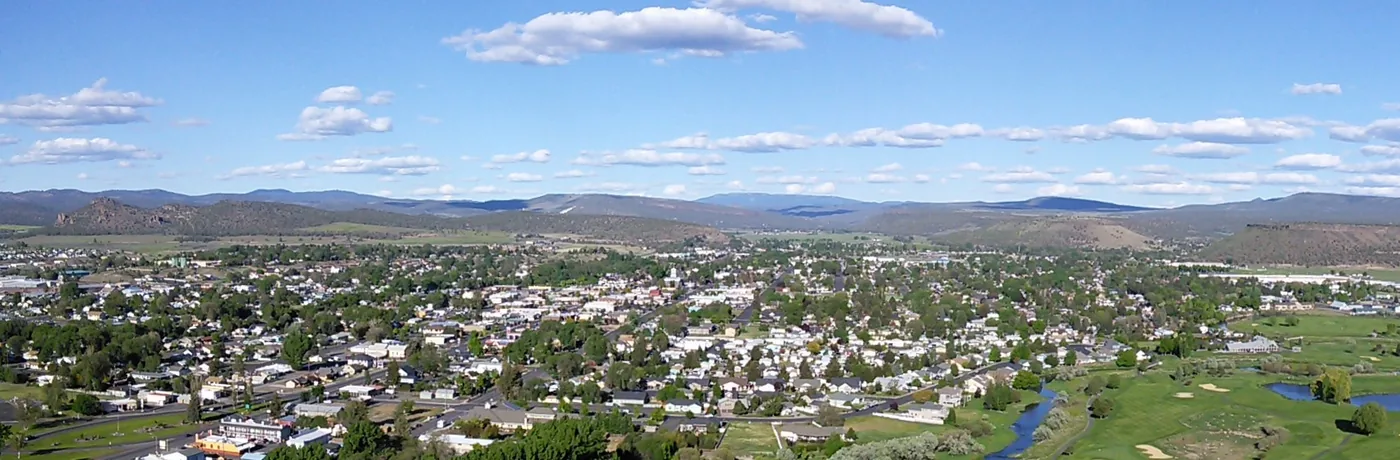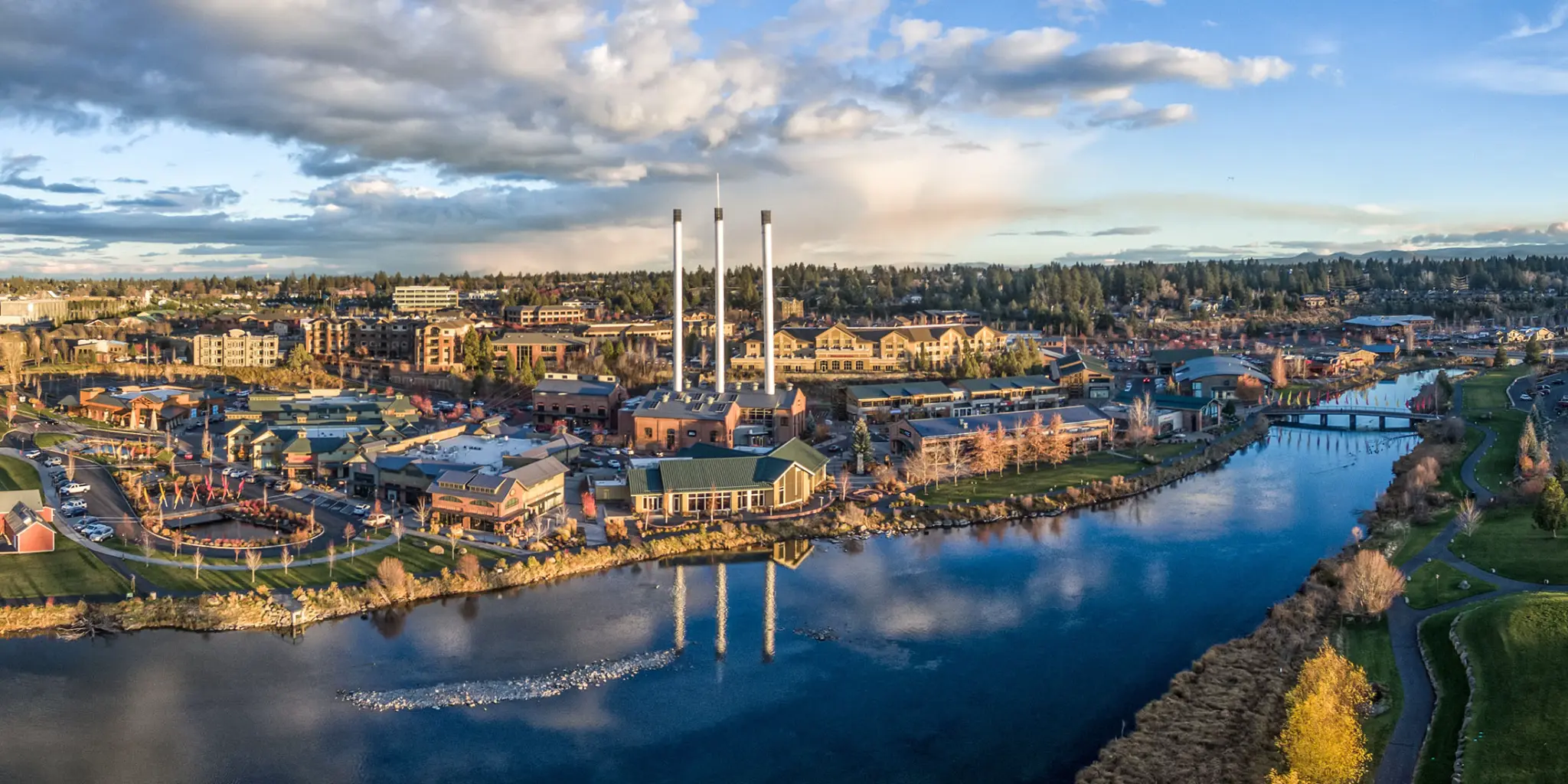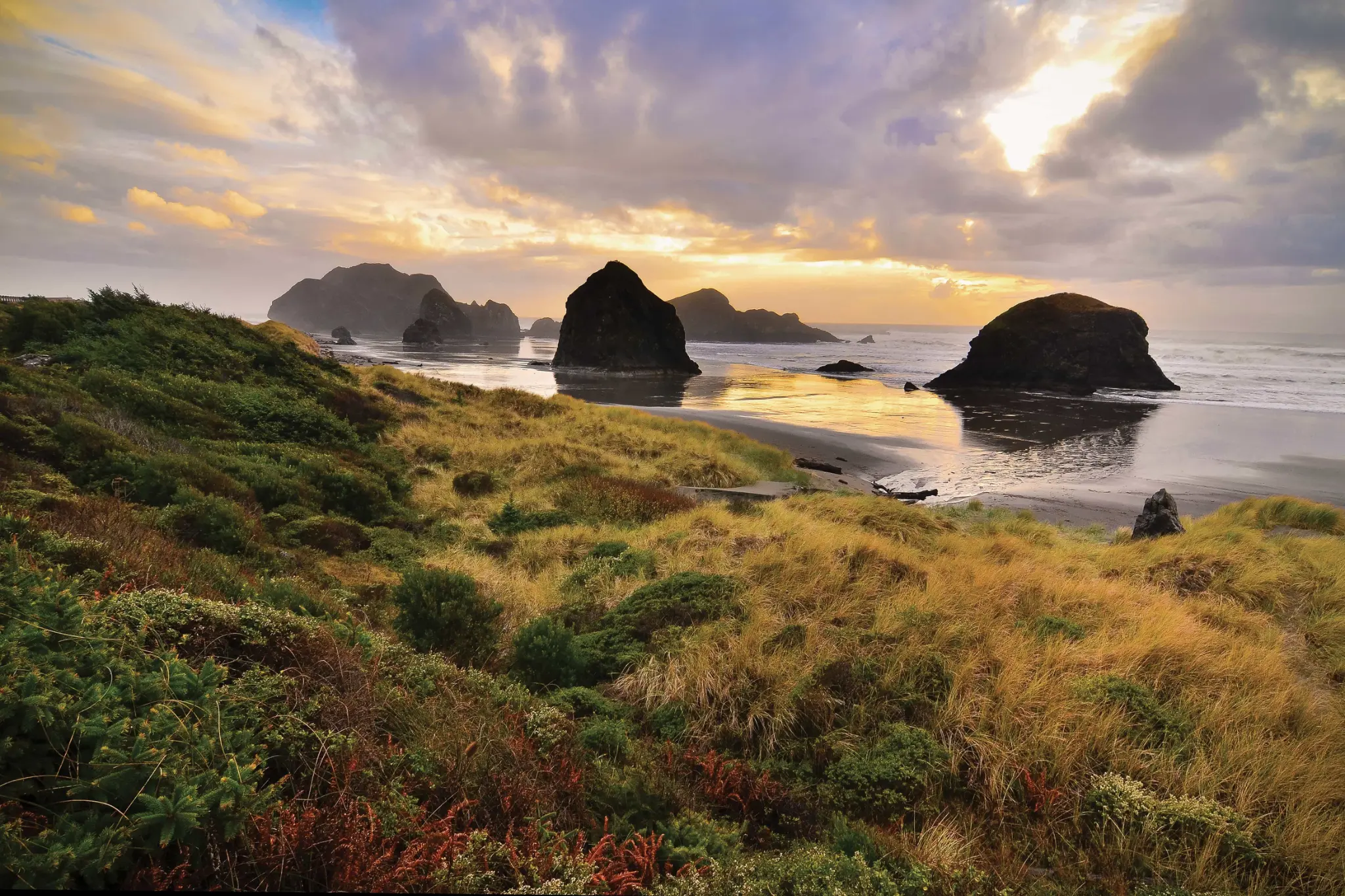


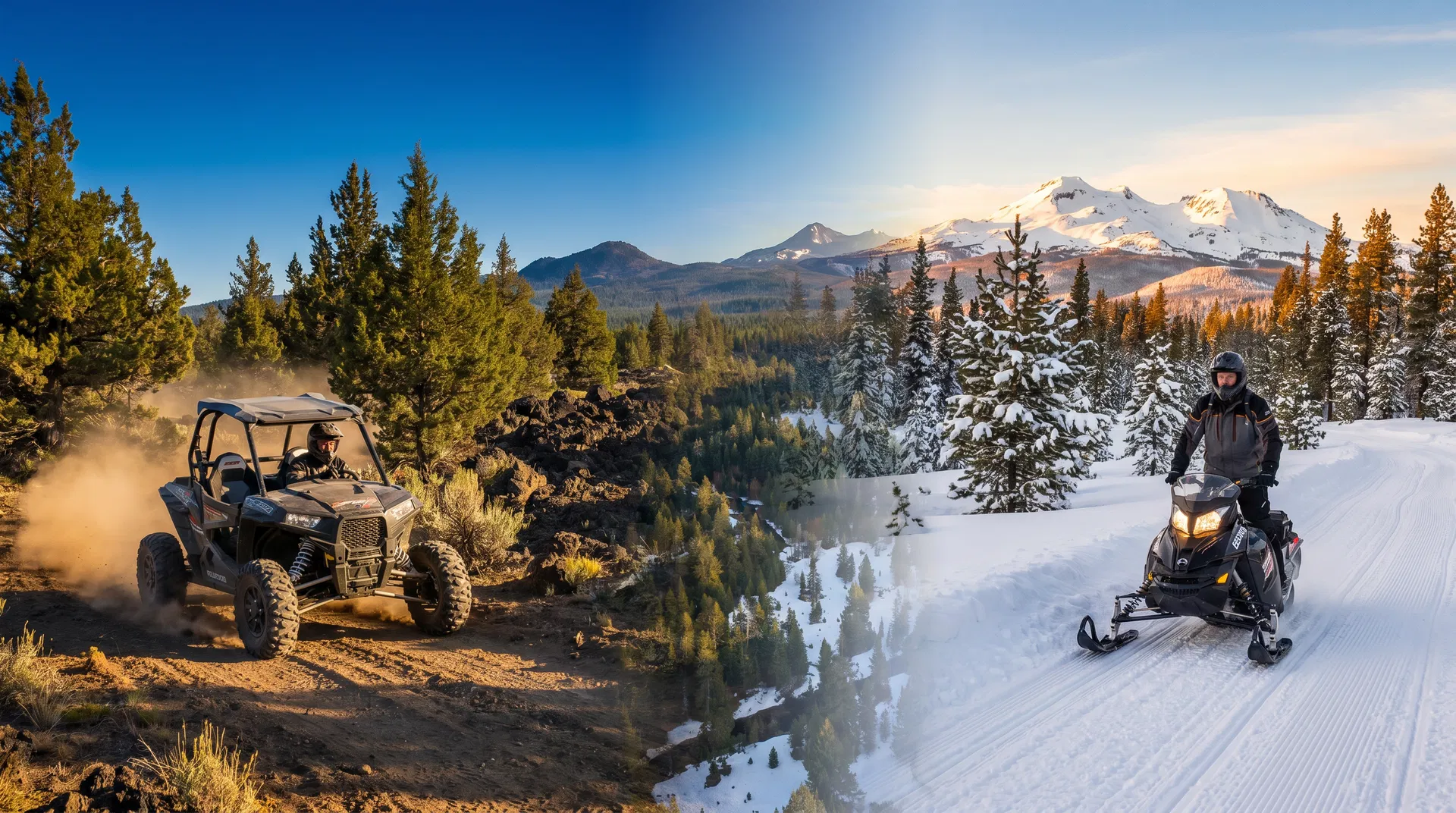
Central Oregon is one of the best places in the American West to ride. The Millican Valley OHV Trail System southwest of Prineville offers over 255 miles of designated routes through high desert terrain. Wanoga Sno-Park west of Bend provides access to more than 180 miles of groomed snowmobile trails near the Cascade passes. The Deschutes National Forest and Ochoco National Forest offer hundreds of miles of additional riding opportunities for ATVs, UTVs, dirt bikes, and side-by-sides.
But here's the gap that most Central Oregon riders don't know about: your auto insurance does not cover you on the trail. Your homeowners policy provides almost no meaningful protection either. If you crash your ATV at Millican Valley, get hit by an uninsured rider at Wanoga Sno-Park, or have your side-by-side stolen from a staging area, you're on your own — unless you have a dedicated OHV or recreational vehicle insurance policy.
Eight Coverages Every Central Oregon OHV Rider Should Have
Collision Coverage
Pays to repair or replace your ATV, UTV, dirt bike, or snowmobile after a collision with another vehicle, tree, rock, or object — regardless of fault. Essential for high-speed trail riding.
Comprehensive Coverage
Covers theft, fire, vandalism, flood, and weather damage. ATVs and snowmobiles are frequently stolen from garages, trailers, and staging areas — comprehensive coverage protects your investment.
Liability Coverage
Covers bodily injury and property damage you cause to others on the trail, at a staging area, or on private property. Without liability coverage, a single accident could result in a lawsuit that costs far more than your machine is worth.
Medical Payments
Pays your medical bills — and those of your passengers — after an OHV accident, regardless of fault. OHV accidents frequently result in broken bones, head injuries, and other serious trauma.
Uninsured Rider Coverage
Protects you if you're injured by an uninsured ATV or snowmobile rider. Many OHV riders carry no insurance at all — this coverage ensures you're not left paying out of pocket for someone else's negligence.
Custom Parts & Equipment
Covers aftermarket accessories, lift kits, winches, light bars, and other modifications. Standard OHV policies often exclude custom parts — make sure your policy covers your actual machine.
Trailer Coverage
Covers the trailer you use to haul your ATVs or snowmobiles to the trailhead. Trailer theft and damage are common — especially at busy staging areas like Millican Valley and Wanoga Sno-Park.
Roadside Assistance
Provides towing and recovery assistance if your machine breaks down on the trail. In remote areas like the Ochoco Mountains or the Cascade backcountry, recovery can be expensive without this coverage.
Ride Central Oregon's Trails With Confidence
Prineville Insurance has protected Central Oregon riders for decades. We work with multiple OHV insurance carriers to find the right coverage for your ATVs, UTVs, dirt bikes, and snowmobiles — at the right price.
1. The Coverage Gap Most Oregon Riders Don't Know About
The most common misconception among ATV and OHV owners in Oregon is that their existing auto insurance or homeowners insurance covers them on the trail. It doesn't. Oregon auto insurance policies are designed for licensed vehicles operated on public roads — they exclude off-highway vehicles by definition. Your auto policy may provide a narrow exception if your ATV is involved in an accident on a public road, but that exception disappears the moment you leave the pavement.
Homeowners insurance provides even less protection. Most homeowners policies will cover theft of an ATV stored on your property, but only up to a low sub-limit — often $1,000 to $2,500. That sub-limit won't replace a modern side-by-side that costs $15,000 to $30,000. And homeowners insurance provides zero coverage for accidents, liability claims, or any damage that occurs away from your property.
The result is a significant coverage gap that affects thousands of Central Oregon riders every year. A crash at Millican Valley that injures another rider could result in a liability claim worth $50,000 or more. A stolen snowmobile from a Wanoga Sno-Park trailer could represent a $12,000 loss. Without dedicated OHV insurance, those costs come directly out of your pocket.
2. Oregon OHV Law: What You're Required to Have
Oregon does not require insurance for ATVs or OHVs used exclusively off-road. However, Oregon does require an ATV Operating Permit (OP sticker) for any ATV operated on public lands — including BLM land, national forest land, and state parks. The OP sticker is obtained through the Oregon Parks and Recreation Department and must be renewed annually. Riding without a valid OP sticker on public land is a violation that can result in fines and removal from the trail system.
If your ATV or UTV is street-legal and you operate it on public roads — even briefly, such as crossing a road to access a trail — Oregon requires standard vehicle registration and liability insurance. The same liability minimums that apply to passenger vehicles apply to street-legal ATVs: $25,000/$50,000 for bodily injury and $20,000 for property damage.
Snowmobiles operated in Oregon's designated Sno-Parks are not required to carry insurance, but they must display a valid Oregon Sno-Park permit. Riders who travel across state lines — common for Central Oregon riders who venture into Washington or Idaho — should verify that their coverage extends to other states, as OHV insurance policies vary in their geographic scope.
3. Central Oregon's Premier OHV Riding Areas — and the Risks That Come With Them
The Millican Valley OHV Trail System, managed by the Bureau of Land Management southwest of Prineville, is one of the most extensive OHV riding areas in the Pacific Northwest. With over 255 miles of designated routes, nine staging areas, and terrain ranging from beginner-friendly loops to expert-level technical trails, Millican Valley draws riders from across Oregon and the Pacific Northwest. The remote high desert terrain — volcanic rock, steep grades, and loose pumice soil — creates conditions where accidents happen even for experienced riders.
For snowmobile riders, Wanoga Sno-Park west of Bend on the Cascade Lakes Highway provides access to over 180 miles of groomed snowmobile trails between Crescent Lake and Santiam Pass. The Bend-Fort Rock Ranger District maintains additional snowmobile trail systems along the Cascade Lakes Scenic Byway. These high-elevation trails — often above 5,000 feet — present avalanche risk, tree wells, and rapidly changing weather conditions that make accidents more likely and rescue more difficult.
The Ochoco National Forest east of Prineville offers additional OHV riding opportunities through ponderosa pine forests and high desert terrain. The Deschutes National Forest's East Fort Rock OHV Trail System and South Lava OHV Staging Area provide additional riding options closer to Bend. All of these areas share a common characteristic: remote terrain where an accident can result in serious injury, significant property damage, and liability exposure that your auto or homeowners insurance will not cover.
OHV Insurance Checklist for Central Oregon Riders
- Verify your auto insurance does NOT cover off-road ATV or OHV accidents — most don't
- Obtain an ATV Operating Permit (OP sticker) for any ATV operated on Oregon public lands
- Purchase dedicated OHV insurance with collision, comprehensive, and liability coverage
- Ensure your policy covers the actual replacement value of your machine — not a depreciated amount
- Add custom parts and equipment coverage if your machine has aftermarket modifications
- Verify your snowmobile policy covers groomed trail riding AND backcountry riding
- Check geographic coverage if you ride in Washington, Idaho, or other states
- Add trailer coverage for the trailer you use to haul machines to staging areas
- Consider medical payments coverage — OHV accidents frequently result in serious injuries
- Review your policy annually as machine values and trail conditions change
Talk to a Local Agent Who Knows Central Oregon's Trails
Prineville Insurance is based in Central Oregon. We ride these trails, we know the risks, and we know how to build an OHV insurance program that actually protects you — from Millican Valley to Wanoga Sno-Park and everywhere in between.
4. How OHV Insurance Fits Into Your Complete Personal Insurance Program
OHV insurance works alongside your other personal insurance policies to fill the gaps that auto and homeowners coverage leave behind. Your auto insurance covers your truck or SUV on the way to the trailhead. Your homeowners insurance covers your property at home. Your OHV policy covers everything in between — from the moment you unload your machine at the staging area to the moment you load it back up.
For Central Oregon residents with multiple recreational vehicles — ATVs, snowmobiles, boats, RVs — a personal umbrella policy can provide an additional layer of liability protection above the limits of all your individual policies. If a serious accident results in a liability claim that exceeds your OHV policy limit, your umbrella policy kicks in to cover the excess — protecting your home, savings, and other assets from a judgment.
Central Oregon's outdoor lifestyle also creates unique insurance needs beyond OHVs. If you operate a guided ATV or snowmobile tour business, you need commercial OHV coverage — personal OHV policies exclude business use. If you rent your machines to others, you need a specialty rental coverage endorsement. And if you use your OHV for agricultural work on your farm or ranch, your farm policy may provide coverage that a personal OHV policy does not.
Frequently Asked Questions: OHV Insurance in Central Oregon
Related Insurance Resources
Don't Ride Unprotected in Central Oregon
From Millican Valley to Wanoga Sno-Park to the Ochoco backcountry — Central Oregon's trails are incredible. Make sure you're covered before you ride. Prineville Insurance offers OHV, ATV, and snowmobile insurance from multiple carriers, with local agents who know this terrain personally.