



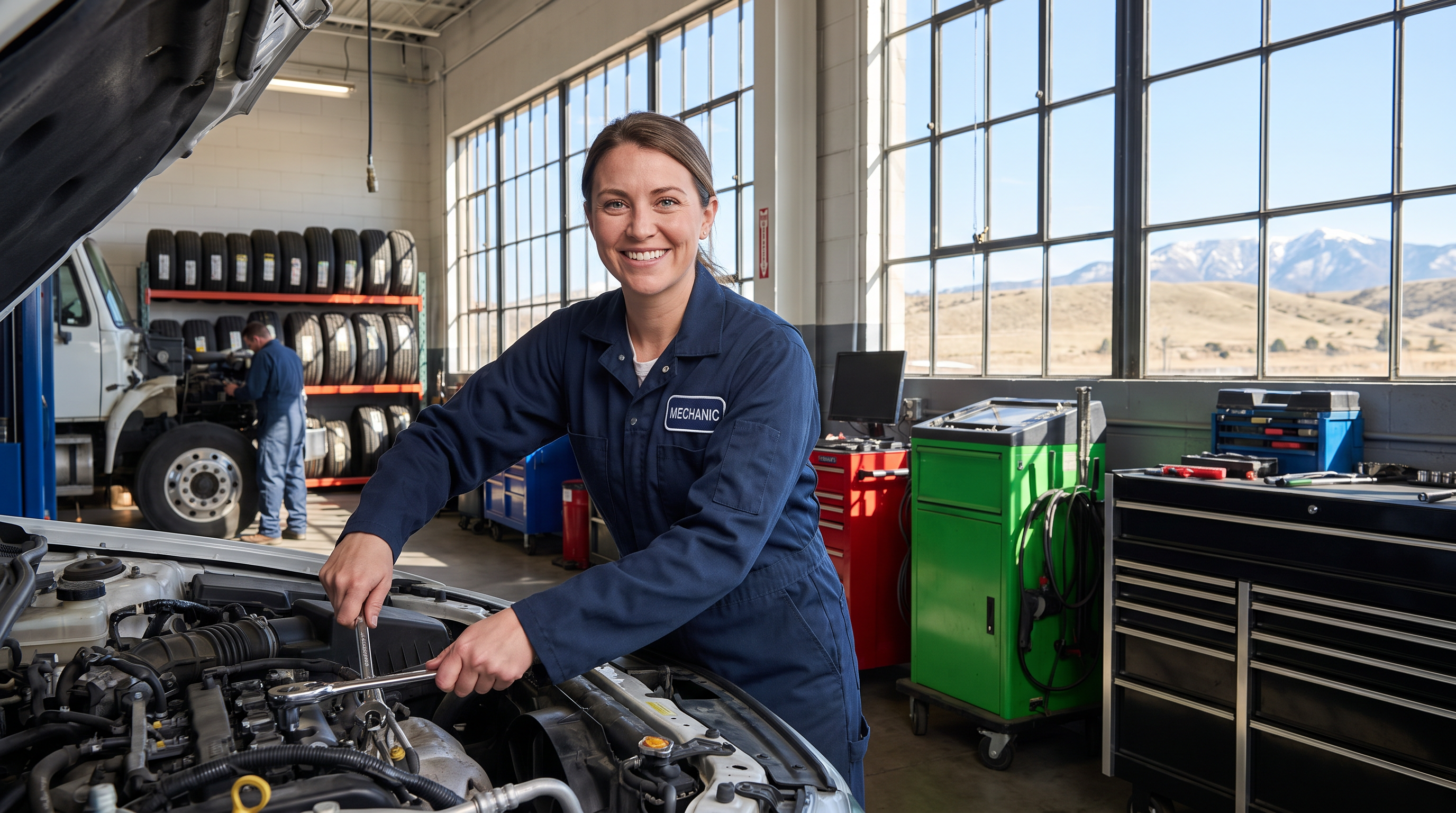

If you own an auto repair shop, body shop, tire store, car wash, or detailing business in Central Oregon, you face a set of insurance risks that standard commercial policies simply were not designed to cover. A customer's vehicle damaged in your care, a slip-and-fall in your service bay, a chemical spill from cleaning solvents — each of these can result in a claim that wipes out years of profit. This guide explains exactly what coverage your automotive service business needs, and why working with an independent insurance agent in Central Oregon is the smartest way to protect everything you've built.
Why Standard Business Insurance Isn't Enough for Auto Service Shops
Most small business owners start with a Business Owner's Policy (BOP) — a bundled package of general liability and commercial property coverage. For a retail store or office, a BOP is often sufficient. For an auto repair shop, body shop, or car wash, it is not. The reason is simple: your business regularly takes care, custody, and control of other people's vehicles. Standard general liability policies contain a "care, custody, and control" exclusion that specifically eliminates coverage for damage to property in your possession. That means if a customer's car is stolen from your lot overnight, catches fire in your bay, or is damaged by one of your technicians during a test drive, a standard BOP will not pay the claim.
Oregon auto service businesses need a garage policy — a specialized commercial insurance product that combines garage liability, garagekeepers coverage, and other protections into a single, purpose-built package.
The Core Components of a Garage Policy
1. Garage Liability Insurance
Garage liability is the foundation of any auto service insurance program. It covers bodily injury and property damage arising from your garage operations — meaning the day-to-day activities of running your shop. This includes customer slip-and-falls in your waiting room or service bay, damage caused by your employees while road-testing a customer vehicle, and completed operations claims (for example, a customer whose brakes fail after you serviced them).
2. Garagekeepers Liability Coverage
Garagekeepers coverage is the most misunderstood and most critical component of auto service insurance. It covers physical damage to a customer's vehicle while it is in your care, custody, and control — during service, during storage overnight, or during a test drive. There are three forms of garagekeepers coverage, and choosing the right one matters:
| Form | When It Pays | Best For |
|---|---|---|
| Legal Liability | Only when you are legally at fault | Lower-risk operations, tight budgets |
| Direct Primary | Regardless of fault — pays first, before customer's own insurance | Most repair shops, body shops, tire stores |
| Direct Excess | Regardless of fault — pays after customer's own insurance is exhausted | Shops with lower-value vehicle inventory |
Most Central Oregon repair shops and body shops should carry Direct Primary garagekeepers coverage. This form pays the claim regardless of fault — if a hailstorm damages every vehicle on your lot overnight, Direct Primary pays without requiring you to prove negligence.
3. Commercial Property Insurance
Your building (if you own it), your tools, your diagnostic equipment, your lifts, your parts inventory, and your shop's contents all need commercial property coverage. Auto repair shops have unusually high property values — a single four-post lift costs $5,000–$15,000, a wheel alignment machine runs $20,000–$50,000, and a full set of professional diagnostic tools can exceed $30,000.
4. Tools & Equipment Coverage
Many mechanics and mobile detailers own tools and equipment that travel with them or are stored in vehicles. Standard commercial property policies cover contents at a fixed location — they do not cover tools in your truck or van. A separate inland marine / tools and equipment floater covers your tools wherever they are, including theft from a vehicle.
5. Pollution Liability
Auto repair shops, body shops, and car washes handle hazardous materials every day: motor oil, transmission fluid, antifreeze, brake fluid, paint solvents, and cleaning chemicals. Oregon's environmental regulations are strict, and a spill — even a minor one — can trigger cleanup costs that run into tens of thousands of dollars. Standard commercial property and liability policies contain pollution exclusions. A pollution liability endorsement fills this gap and is strongly recommended for any shop that handles fluids or chemicals. This is especially important for auto dealers and service operations that store significant quantities of fluids on-site.


