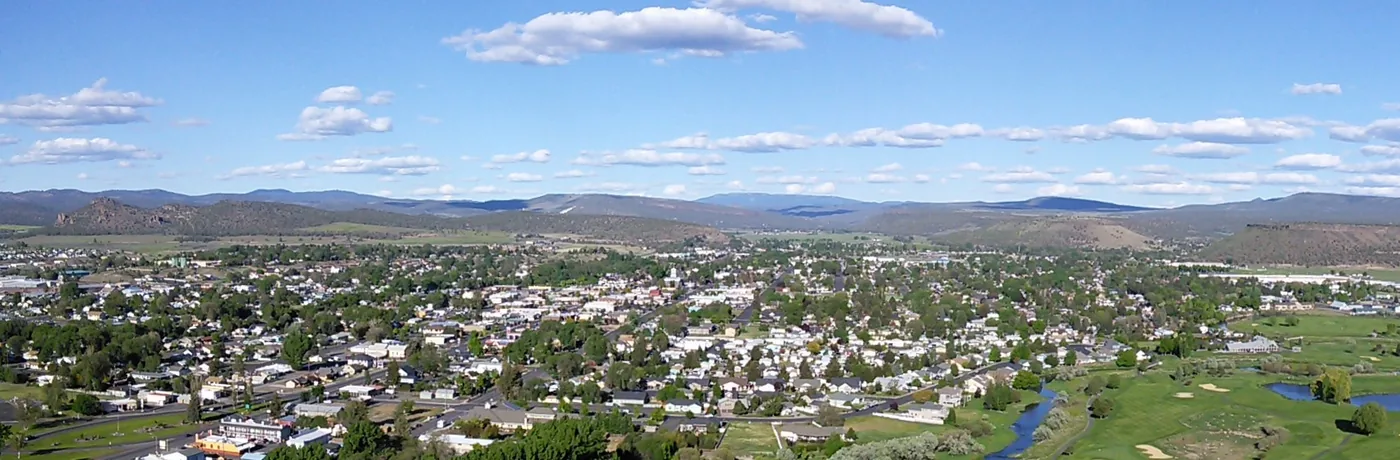





Adult day care is one of the fastest-growing sectors in senior services — and one of the most underinsured. As Central Oregon's population ages (1 in 5 residents in Crook, Deschutes, and Jefferson counties is now 65 or older), the demand for structured daytime care that allows seniors to remain in their homes is accelerating. New adult day care centers are opening in Prineville, Madras, and Redmond to meet that demand. Most of them are operating with insurance programs that were designed for a general commercial business — not for the specific, high-stakes risks of caring for a vulnerable adult population.
The consequences of the wrong insurance program can be severe. A single abuse allegation — even a false one — can generate $200,000 in legal defense costs before a case ever reaches trial. A medication error resulting in a participant's hospitalization can produce a professional liability claim that a standard general liability policy will not cover. A staff member's back injury while transferring a participant can result in a workers' compensation claim that exceeds what a small business expects. This guide explains every coverage line an Oregon adult day care center needs, the gaps that most operators don't discover until it's too late, and the specific Oregon regulatory requirements that affect your insurance obligations.
Is Your Adult Day Care Center Properly Insured?
Most adult day care operators discover coverage gaps only after a claim. A free commercial insurance review can identify every missing coverage line — abuse and molestation, professional liability, HIPAA cyber — before a loss occurs.
Get a Free Commercial Insurance ReviewOregon's Regulatory Framework for Adult Day Services
Oregon does not license adult day services programs in the traditional sense. Under OAR 411-066, the Oregon Department of Human Services (DHS), Aging and People with Disabilities (APD) division maintains a voluntary registry of adult day services programs and offers state certification for programs that wish to become Medicaid-enrolled providers. Certification requires an on-site inspection and demonstration that the program meets all standards in OAR 411-066-0020 — covering staffing qualifications, participant assessments, care planning, emergency procedures, and physical environment requirements.
For programs seeking Medicaid enrollment, certification is mandatory. Medicaid-enrolled adult day care centers become covered entities under HIPAA, triggering privacy and security obligations for participant health information. They are also subject to Oregon's mandatory reporter law under ORS 124.050–124.095, which requires all staff to report suspected abuse or neglect of older adults and people with disabilities to DHS or law enforcement. These regulatory obligations directly affect your insurance needs — and failure to comply can result in certification revocation, Medicaid disenrollment, and regulatory penalties that your insurance may or may not cover.
The Eight Coverage Gaps Most Oregon Adult Day Care Centers Have
The following gaps are not hypothetical. They are the specific coverage failures that produce uninsured losses for adult day care operators across Oregon every year. Review each one against your current insurance program.
Abuse & Molestation Excluded From Standard GL
The most dangerous gap for adult day care centers. Most standard commercial general liability policies specifically exclude abuse, molestation, and sexual misconduct claims. A single allegation — even a false one — can cost $50,000–$500,000 in defense costs alone. This coverage must be purchased separately and is non-negotiable for any senior care operation.
Professional Liability Not Included in GL
General liability covers premises incidents like slip-and-fall. It does not cover professional negligence — a medication error, a missed medical emergency, an inadequate care plan, or improper supervision. Professional liability (medical malpractice/E&O) is a separate policy that every adult day care center needs, regardless of whether licensed nurses are on staff.
Personal Auto Policy for Client Transport
If your center transports participants and the vehicle is insured under a personal auto policy, you have no coverage for accidents during client transport. Commercial transportation of clients requires commercial auto insurance. Staff using personal vehicles to transport clients also creates a hired and non-owned auto (HNOA) gap if your commercial policy doesn't include that endorsement.
Volunteer Coverage Gap
Many adult day care centers use volunteers alongside paid staff. Standard workers' compensation does not cover volunteers — it only covers employees. If a volunteer is injured while assisting at your center, you may have no coverage for their medical expenses. Oregon allows employers to elect workers' comp coverage for volunteers under ORS 656.031, but it must be specifically requested.
HIPAA Cyber Liability Gap
Medicaid-enrolled adult day care centers are covered entities under HIPAA. A data breach involving participant health records triggers mandatory notification requirements and potential regulatory fines. Standard commercial property and GL policies do not cover cyber events. Cyber liability insurance is essential for any center maintaining electronic health records or billing data.
Inadequate Slip-and-Fall Limits
One in four adults aged 65 and older experience a fall each year (CDC). Adult day care centers serve a population already prone to mobility issues, making slip-and-fall claims a near-certainty over time. Standard GL limits of $1 million per occurrence may be insufficient for a serious fall resulting in a hip fracture, hospitalization, and long-term care costs. A commercial umbrella policy should be considered to extend limits.
Crime & Client Valuables
Adult day care participants often bring personal valuables — jewelry, cash, hearing aids, medications — to the center. Employee theft of participant property, or loss of valuables entrusted to staff, can result in claims against the center. A crime/fidelity endorsement covers employee dishonesty and theft of client property in your care, custody, or control.
Directors & Officers Liability
Nonprofit adult day care centers face D&O exposure from board decisions about staffing, programming, finances, and regulatory compliance. Board members can be personally sued for alleged mismanagement, breach of fiduciary duty, or employment decisions. D&O insurance protects individual board members and the organization from these claims — essential for any nonprofit adult day care operation.
Abuse & Molestation Coverage: The Non-Negotiable Line
No coverage line is more important — or more commonly missing — than abuse and molestation coverage for adult day care centers. Standard commercial general liability (CGL) policies almost universally exclude claims arising from abuse, molestation, sexual misconduct, or physical mistreatment. This exclusion applies regardless of whether the allegation is proven, whether the staff member acted intentionally or negligently, and whether the center had policies in place to prevent the incident.
The Oregon Department of Administrative Services recommends a minimum of $1 million per occurrence / $3 million aggregate for abuse and molestation coverage for organizations serving vulnerable populations. For adult day care centers, this coverage should be purchased as a standalone policy or as a specific endorsement to your general liability policy — not assumed to be included. Before binding any commercial insurance program for an adult day care center, confirm in writing that abuse and molestation coverage is included and review the specific exclusions.
Oregon's elder abuse statutes (ORS 124.005–124.175) provide civil remedies for victims of abuse of vulnerable adults, including the right to sue for damages, attorney fees, and in some cases punitive damages. A single elder abuse civil claim can easily exceed $500,000 in combined defense costs and damages. Without abuse and molestation coverage, that entire exposure falls on the business owner personally.
Professional Liability: What General Liability Doesn't Cover
General liability insurance covers bodily injury and property damage arising from premises incidents — a participant slips on a wet floor, a visitor trips on a threshold, a staff member accidentally breaks a participant's personal property. What it does not cover is professional negligence — the failure to provide the standard of care expected of a professional senior care provider.
Professional liability claims for adult day care centers typically involve: a medication error that causes a participant's condition to worsen; failure to recognize and respond to a medical emergency (stroke, diabetic episode, cardiac event); inadequate supervision that leads to a fall or elopement; a care plan that does not adequately address a participant's known medical conditions; or failure to communicate a participant's change in condition to their family or physician. These are professional judgment failures — and they require professional liability (errors and omissions) insurance to cover defense costs and any resulting damages.
For commercial insurance purposes, professional liability for adult day care is typically written on a claims-made basis, meaning the policy in force when the claim is made (not when the incident occurred) provides coverage. This makes it essential to maintain continuous coverage and to purchase an extended reporting period (tail coverage) if you ever close the center or switch carriers.
Workers' Compensation: The Mandatory Coverage With High Exposure
Oregon law under ORS 656.017 requires virtually all employers with one or more employees to carry workers' compensation insurance. For adult day care centers, this is not a minor line item — it is one of the largest premium exposures in the program. Adult day care staff regularly assist participants with transfers, ambulation, personal care, and mobility — activities that carry a significantly elevated risk of musculoskeletal injuries, particularly back strains and shoulder injuries.
The workers' compensation classification code for adult day care workers reflects this elevated risk. Proper classification of all staff roles — direct care workers, drivers, administrative staff, kitchen staff — is essential to ensure accurate premium calculation and to avoid audit surprises at year-end. Review your workers' compensation policy with your agent to confirm that all job classifications are correctly coded and that your payroll estimates are accurate.
For centers that use volunteers alongside paid staff, Oregon allows employers to elect workers' compensation coverage for volunteers under ORS 656.031. This election must be specifically requested and documented — it is not automatic. Without it, a volunteer injured while assisting at your center has no workers' compensation coverage and may pursue a civil negligence claim against the center instead.
Commercial Auto: The Transportation Liability You Can't Ignore
Many adult day care centers provide transportation services — picking up participants in the morning and returning them home in the afternoon. This is a significant service differentiator that makes adult day care accessible to seniors who cannot drive. It is also a significant liability exposure that requires commercial auto insurance, not personal auto insurance.
A personal auto policy will not cover accidents that occur during the commercial transportation of clients. If your center's van is insured under a personal policy, or if staff use their personal vehicles to transport participants, you have a coverage gap that could leave you personally liable for any accident. Commercial auto insurance for a senior transport vehicle should include liability limits appropriate for the number of passengers, uninsured/underinsured motorist coverage, and medical payments coverage. If staff use their personal vehicles to transport clients, your commercial policy must include a hired and non-owned auto (HNOA) endorsement.
Questions About Adult Day Care Insurance?
The Prineville Insurance team works with commercial businesses, nonprofits, and healthcare-adjacent organizations throughout Central Oregon. We can build a complete insurance program — GL, professional liability, abuse and molestation, workers' comp, commercial auto, and cyber — tailored to your adult day care operation.
Call (541) 447-6372Text Us!HIPAA, Cyber Liability, and the Data Breach Risk
Adult day care centers that are Medicaid-enrolled providers are covered entities under HIPAA, subject to the Privacy Rule and the Security Rule for protected health information (PHI). This means you have legal obligations to safeguard participant health records — whether stored in paper files or electronic health record (EHR) systems — and to notify participants, HHS, and in some cases the media if a breach occurs.
A data breach at a small adult day care center — a ransomware attack on the billing computer, a stolen laptop containing participant records, an employee emailing health information to the wrong address — can trigger HIPAA notification requirements, HHS investigation, and civil monetary penalties ranging from $100 to $50,000 per violation. Cyber liability insurance covers breach response costs (forensics, notification, credit monitoring), regulatory defense, and business interruption from a cyber event. Standard commercial property and general liability policies do not cover cyber events. For any center maintaining electronic participant records, cyber liability coverage is essential.
Complete Coverage Comparison: What Every Oregon Adult Day Care Center Needs
| Coverage Line | What It Covers | Status |
|---|---|---|
| General Liability | Slip-and-fall, premises injury, property damage to third parties | Essential |
| Professional Liability (E&O) | Negligent care, medication errors, inadequate supervision, missed emergencies | Essential |
| Abuse & Molestation | Allegations of staff abuse, neglect, or sexual misconduct toward participants | Essential — not included in GL |
| Workers' Compensation | Employee injuries — back strains, patient handling injuries, slip-and-fall | Legally required (ORS 656.017) |
| Commercial Auto | Accidents during client transport in center-owned vehicles | Required if transporting clients |
| Hired & Non-Owned Auto | Staff using personal vehicles to transport clients | Required if staff use personal vehicles |
| Commercial Property | Building, equipment, medical supplies, furniture | Essential |
| Cyber Liability | HIPAA breach response, ransomware, data theft, regulatory defense | Essential for Medicaid providers |
| Crime / Fidelity | Employee theft of participant valuables, cash handling losses | Strongly recommended |
| Directors & Officers | Board member personal liability for management decisions | Essential for nonprofits |
| Commercial Umbrella | Extends limits above GL, professional liability, and auto | Strongly recommended |
The Adult Day Care Business Boom: Why Insurance Needs Are Growing
The demand for adult day care in Central Oregon is not a trend — it is a demographic reality. According to the City Club of Central Oregon, 20.9% of Central Oregon's population is now 65 or older. Oregon's median age has climbed to 40.4 (2026 Census data). The baby boomer generation is reaching peak care-need age, and the middle-income senior market — too wealthy for Medicaid but unable to afford assisted living at $4,500 per month — is the fastest-growing segment.
Adult day care fills this gap at a median cost of approximately $1,690 per month nationally (Genworth 2023 Cost of Care Survey) — a fraction of residential care costs. As more centers open to meet this demand, the insurance market for adult day care is also evolving. Carriers are becoming more selective about the operations they will insure, and the difference between a center with a complete, properly structured insurance program and one with a generic commercial package policy is increasingly significant at claim time.
For adult day care operators in Prineville, Madras, Redmond, and across Central Oregon, the time to review your insurance program is before a claim occurs — not after. The commercial insurance specialists at Prineville Insurance work with healthcare-adjacent businesses, nonprofits, and senior care providers throughout the region. We can build a complete program that addresses every coverage line described in this guide, properly structured for your specific operation.
When to Review Your Adult Day Care Insurance
Your insurance program should be reviewed any time one of the following occurs: you add transportation services; you hire your first employee or add staff; you become a Medicaid-enrolled provider; you add specialized programming for dementia or Alzheimer's participants; you move to a new facility or expand your space; a staff member is accused of misconduct; or your carrier sends a non-renewal notice. Any of these events can change your risk profile significantly and may require new or modified coverage. The Prineville Insurance team is available for a free review at any time.
Frequently Asked Questions
Don't Let a Coverage Gap Shut Down Your Mission
Adult day care centers serve some of the most vulnerable members of our community. Make sure your insurance program is as strong as your commitment to their care. The Prineville Insurance team will review your current program and identify every gap — at no cost.
Get a Free Insurance Review Today