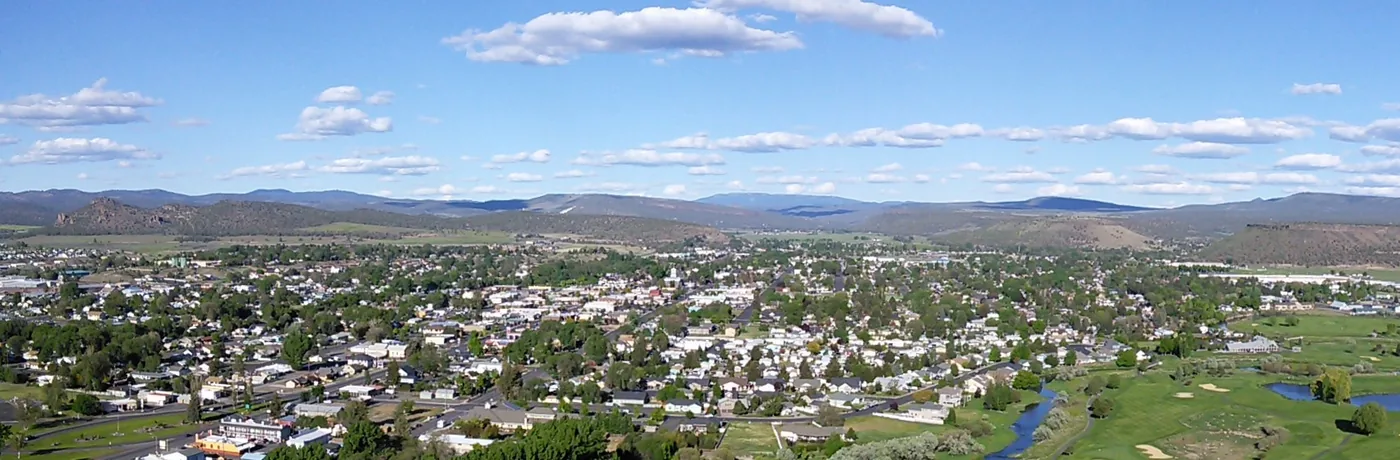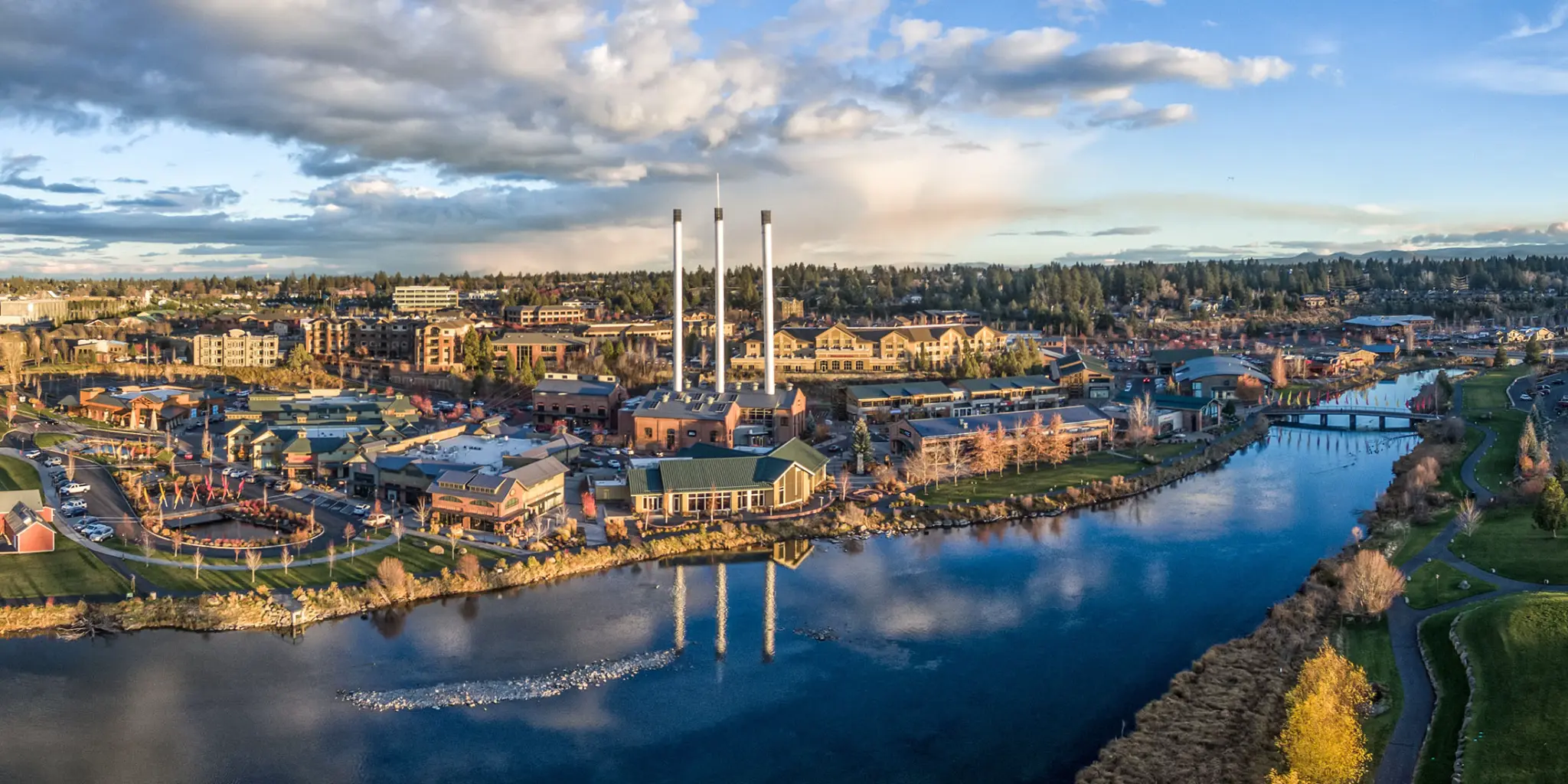


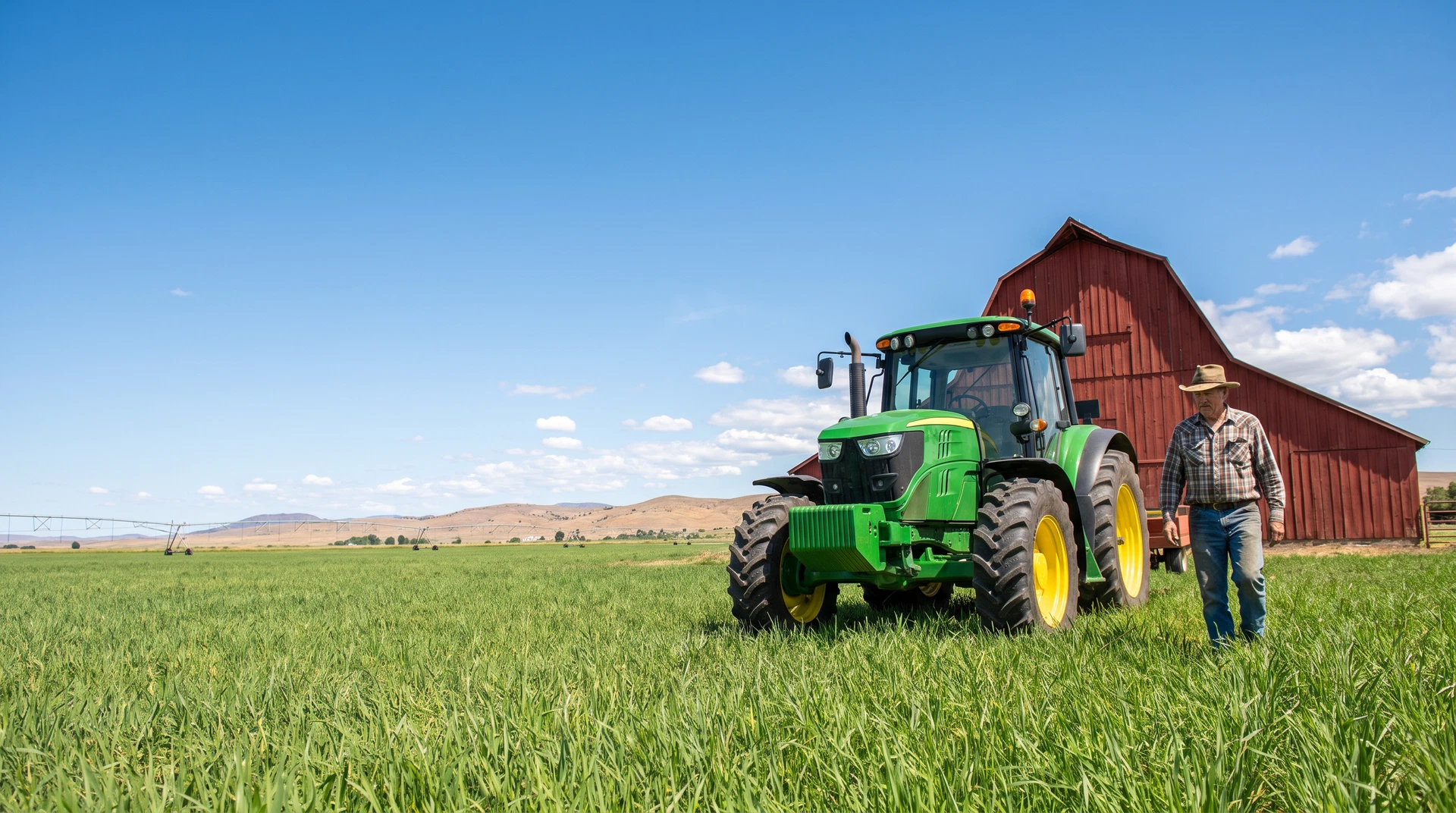

Agricultural operations rarely fit a single insurance label. A Prineville cattle producer, Bend nursery, Redmond hay operation, Sisters equine property, La Pine market garden, or Madras row-crop farm can combine land, livestock, irrigation, equipment, sales, vehicles, labor, and changing weather in one working business.
This guide is designed to help Central Oregon producers prepare for a policy conversation—not to promise coverage. Start with the broad farm and ranch insurance overview, then compare each application, program, policy, endorsement, limit, deductible, and exclusion with the operation actually being conducted.
Begin With the Farm Story, Not a Coverage Label
A useful agricultural insurance review starts by mapping the entire operation: who owns or leases the land, what is raised or grown, where products are sold, which buildings and equipment matter most, who drives, whether the public visits, and what can change before next season. That process helps distinguish a production-only operation from one that also hosts visitors, sells direct, boards animals, provides custom work, or uses online sales.
Oregon State University’s Small Farms Program identifies weather extremes, crop failure, workplace injury, product illness, and visitor injury as examples of farm risks worth identifying and prioritizing.[1] The appropriate response can include operational controls, contracts, documentation, and an insurance review; it depends on the facts and on the policy selected.
For a working checklist of questions, the Central Oregon agriculture-insurance resource and our farm-and-ranch planning hub can help organize the conversation before a renewal or major operational change.
Land, crops, and production
Document acreage, crop types, planting or harvest timing, irrigation reliance, storage, contracts, and expected revenue. Crop and revenue programs can be commodity- and county-specific, so timing and eligibility questions should be raised early.
Livestock and animal activities
Describe herd type and value, care arrangements, fencing, transport, breeding, boarding, training, and any public contact. Livestock, premises, transit, and care questions may not be addressed by the same policy feature.
Buildings, equipment, and irrigation
List barns, machine sheds, hay storage, grain bins, pumps, pivots, generators, tractors, implements, tools, and replacement values. Ask how valuation, covered causes of loss, breakdown, and business-income features work.
People, vehicles, and public access
Account for family, employees, seasonal help, volunteers, contractors, pickups, trailers, deliveries, farm stands, tours, and events. The duties and ownership arrangement matter as much as the asset itself.
Federal Crop and Livestock Programs Are a Separate Conversation
Private farm or ranch insurance and federal crop or livestock risk-management programs are related but distinct planning tools. USDA’s Risk Management Agency explains that available products can vary by commodity, county, and program, and that policies can include crop-specific provisions, endorsements, and special provisions.[2] That makes the local availability check and applicable reporting deadlines important.
USDA offers producer tools such as an agent locator, cost estimator, policy information, and crop and livestock resources.[3] Oregon’s RMA page also directs producers to private crop-insurance agents for multi-peril crop insurance and Catastrophic Risk Protection policies.[4]
A diversified producer may need to ask whether an individual-crop approach, a livestock product, a revenue approach, or another program fits the operation. That is not a substitute for reviewing private exposures such as buildings, equipment, liability, vehicles, payroll, and cyber controls.
Build the Private Insurance Discussion Around Real Exposures
Rather than assume a named package includes every risk, identify what could be damaged, who could be injured, and what agreements or operations could create financial responsibility. The selected policy terms—not this list—control whether and how a particular claim may be addressed.
| Operational question | Coverage conversation to have | Useful records |
|---|---|---|
| A barn, shed, hay stack, or stored supply is damaged | Discuss farm property, valuation, scheduled or blanket limits, business personal property, and income-interruption features. | Photos, purchase records, building details, inventory and replacement estimates. |
| A tractor, pump, or irrigation component fails | Review equipment scheduling, mobile equipment, mechanical or electrical breakdown, irrigation, and loss-of-use questions. | Serial numbers, maintenance records, invoices, equipment schedules. |
| A customer, guest, or neighbor is injured | Review premises and operations liability, product questions, livestock liability, agritourism, contract requests, and umbrella options. | Activity list, site photos, event/visitor rules, contracts, certificates. |
| An employee or seasonal worker is hurt | Discuss payroll, job duties, employment status, workers’ compensation, employer liability, and safety practices. | Payroll estimates, job descriptions, training records, prior losses. |
| Farm products, people, or equipment travel on public roads | Review ownership, trailers, hauling, hired/non-owned use, commercial auto, cargo, and contract requirements. | Vehicle list, driver list, routes, trailer schedules, delivery contracts. |
Prepare Before the Season Gets Busy
A complete agricultural review is easier when values, activities, people, equipment, vehicles, irrigation systems, contracts, and current policies are in one file.
Central Oregon Changes the Details
A high-desert operation can face a different mix of drought, wind, wildfire, irrigation, road travel, seasonal labor, livestock, and storage concerns than a coastal or valley operation. A location-by-location inventory helps explain how the Prineville base, Bend market route, Redmond equipment yard, Madras acreage, Sisters event location, or La Pine pasture is actually used.
For producers with cattle or other animal operations, the cattle and livestock insurance resource can help frame questions about care, fencing, transport, mortality, premises, and third-party claims. For buildings and equipment, review the farm insurance page alongside a current equipment and property schedule.
Do Not Separate Vehicles, Employees, and Contracts From the Farm
Farm pickup trucks, trailers, delivery activity, employee errands, custom work, rented equipment, and public-road travel may create questions that go beyond a property schedule. Discuss the actual vehicle and trailer use with a commercial auto insurance professional and disclose every driver, ownership arrangement, and work activity accurately.
Similarly, seasonal workers, family members, volunteers, and contractors can change a workers’ compensation conversation. Farm stands, tours, U-pick activity, leases, customer agreements, and certificates can affect a general liability review. A certificate describes limited policy information on its issue date; it does not rewrite policy terms or create an endorsement that was not issued.
Property, Data, and Business Continuity Need Current Values
Review land improvements, structures, tools, machinery, seed, feed, fuel, fertilizers, market inventory, and equipment values under the proposed commercial property or farm policy structure. Coverage may differ by ownership, valuation, cause of loss, deductible, sublimit, and endorsement.
Even an agricultural business that does not consider itself “digital” may use a mobile phone, online banking, accounting software, GPS, payment card reader, marketplace profile, or payroll system. Ask how access is controlled and whether a cyber liability discussion is appropriate for the records and funds involved.
A Renewal File That Makes the Conversation Better
Before renewal—or before adding acreage, an employee, a new crop, a farm stand, a boarding activity, new equipment, or a new lease—update the business story. Bring the current policy and endorsements, property and equipment schedules, revenue or production records, livestock information, vehicle and driver lists, irrigation details, safety procedures, payroll, contracts, certificates, and a summary of changes since the prior year.
Clear records do not guarantee a coverage outcome. They do make it easier to ask better questions early and to compare available options with the facts of the operation.
Frequently Asked Questions
Is agricultural insurance the same as crop insurance?
Not necessarily. Federal crop and livestock risk-management programs and private farm or ranch policies address different questions. Crop availability, deadlines, and terms vary by commodity and county, while private insurance can involve property, liability, equipment, vehicles, employment, and related exposures under the selected policy.
Can a small or part-time farm use a homeowners policy?
Do not assume so. Raising, selling, boarding, hosting visitors, using equipment, hiring help, or operating from the property can change the insurance conversation. Review the full operation and the actual policy language before relying on a personal policy.
What should I bring to an agricultural insurance review?
Bring a current property and equipment inventory, acreage or herd information, crops and sales channels, irrigation and water-system details, employees and payroll, vehicles and trailers, contracts, public-facing activities, prior losses, and existing policy documents.
Do federal programs insure every crop in every Oregon county?
No. USDA Risk Management Agency availability can vary by crop, county, practice, program, and deadline. An approved crop-insurance agent can help a producer review the relevant county information and application timing.
Next Step: Review the Whole Agricultural Operation
Whether the next change is a new pivot, a market route, an employee, a herd expansion, a farm stand, an equipment purchase, or a planting decision, a complete review should connect the activity with the actual program and policy terms. Request an agricultural insurance conversation before the season or the next operational change moves forward.
References
Put the Full Farm Story on the Table
We can help eligible Central Oregon farms and ranches compare available options around their actual property, people, equipment, production, and operations. Coverage, pricing, and availability are subject to underwriting and the policy selected.